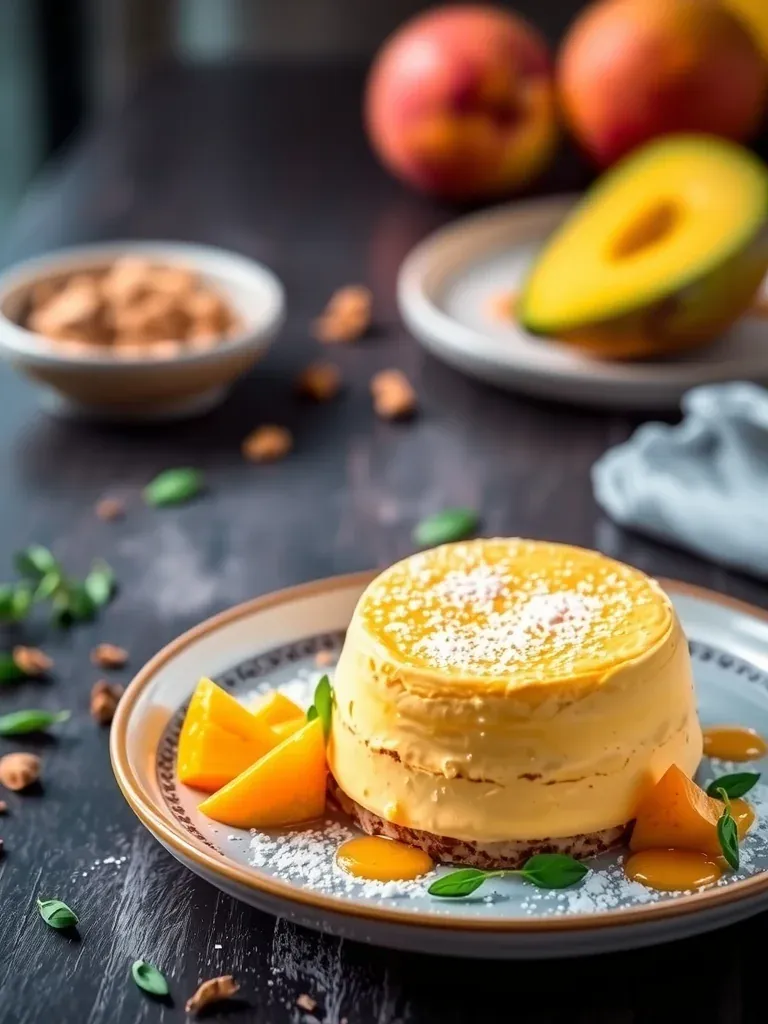
Mango Mousse Cake
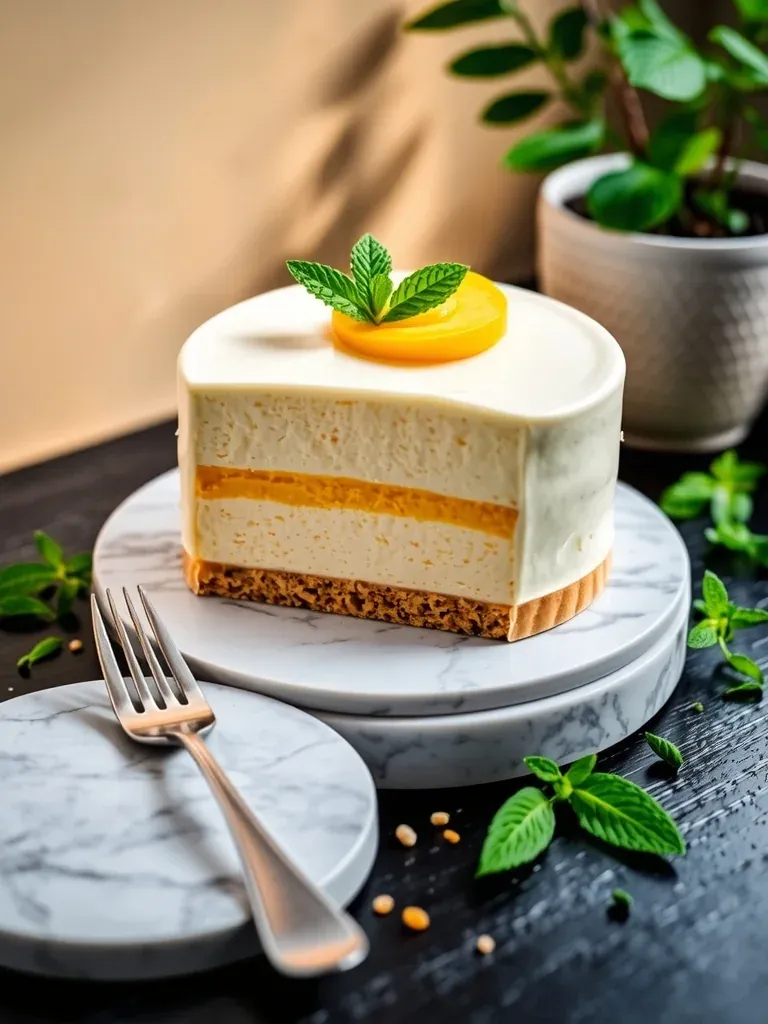
Delicate mango mousse layered over a tender sponge, perfect for any festive gathering.
- Total time
- 35 min
- Servings
- 8 Servings
- Difficulty:
- Easy
Table of contents
Honestly, when I first tasted a perfectly chilled mango mousse, I thought, wow, this could be a cake. So, I set out to combine that airy mousse with a soft cake foundation. The result is a dessert that feels both light and comforting, wrapped in the bright scent of ripe mangoes.
The essence of the dish
A fragrant mango mousse balanced by a tender sponge, offering a clean, bright palate that feels both refreshing and indulgent.
A fun fact or historical angle
Mangoes have been cultivated for over 4,000 years, and their delicate aroma inspired early chefs to create desserts that celebrate the fruit’s natural perfume.
Flavor or sensory focus
The first bite reveals a cool, silky mango mousse, followed by the subtle grain of the soft cake, all harmonized by a whisper of lemon.
You Must Know
- Mangoes should be ripe but firm for pureeing.
- Gelatin must be fully dissolved to avoid lumps.
- Do not over‑whip the cream; keep it light.
When the mousse sets, you’ll notice a gentle quiver under the spoon—sign that the gelatin worked just right. If the cake feels too dense, try a lighter sponge next time; it’s all about finding that perfect balance. Enjoy the process, and let the kitchen smells guide you.
The story behind it
Mango mousse cakes trace their roots to tropical regions where mangoes have long been celebrated for their fragrant flesh. Over time, culinary innovators layered the mousse onto light sponge bases, creating a dessert that balances richness with the fruit's natural brightness. The technique spread across borders, finding a beloved place in modern celebrations.
Why You'll Love It
- Light, fluffy texture that lifts the spirit
- Fresh mango flavor that feels like sunshine
- Simple steps, no fancy equipment needed
- Versatile for birthdays, brunches, or quiet evenings
Tips for success
- Don’t over‑whip the cream, it will become buttery.
- Use a kitchen scale for precise sponge measurements.
- Allow the cake to sit at room temperature for 5 minutes before cutting.
Professional secrets
- Room‑temperature cream cheese blends more smoothly.
- Sift powdered sugar to avoid lumps in the mousse.
- Chill the mixing bowl for whipped cream to keep it airy.
Common mistakes to avoid
- Over‑whipping the cream, resulting in a buttery texture.
- Adding gelatin while still hot, which can create lumps.
- Using underripe mangoes, leading to a bland mousse.
Substitutions
- Cream cheese:* Greek yogurt. Provides a lighter tang; may need extra gelatin for firmness.
- Gelatin:* Agar‑agar. Use half the amount; dissolve in boiling water before adding.
Variations
- Spicy Version:* Add a pinch of cayenne pepper to the mango purée for a subtle heat.
- Mediterranean Style:* Stir in crushed pistachios and a drizzle of honey for a nutty contrast.
Storage
Store in an airtight container in the refrigerator for up to three days.
Make ahead
You can prepare the mango mousse up to 24 hours ahead and keep it refrigerated; assemble the cake just before serving.
Leftovers
Reheat gently in a skillet over low heat, or enjoy cold; the mousse stays silky.
Serving ideas
- Serve chilled on a simple white plate to showcase the color.
- Accompany with a dollop of vanilla whipped cream.
- Garnish with a few mint leaves for a fresh pop.
- Pair with a light glass of sparkling water with a slice of lime.
Allergy information
Contains dairy, eggs, and wheat.
Mango Mousse Cake
Delicate mango mousse layered over a tender sponge, perfect for any festive gathering.
- Prep time
- 20 min
- Cook time
- 15 min
- Total time
- 35 min
- Difficulty
- Easy
- Cuisine
- American
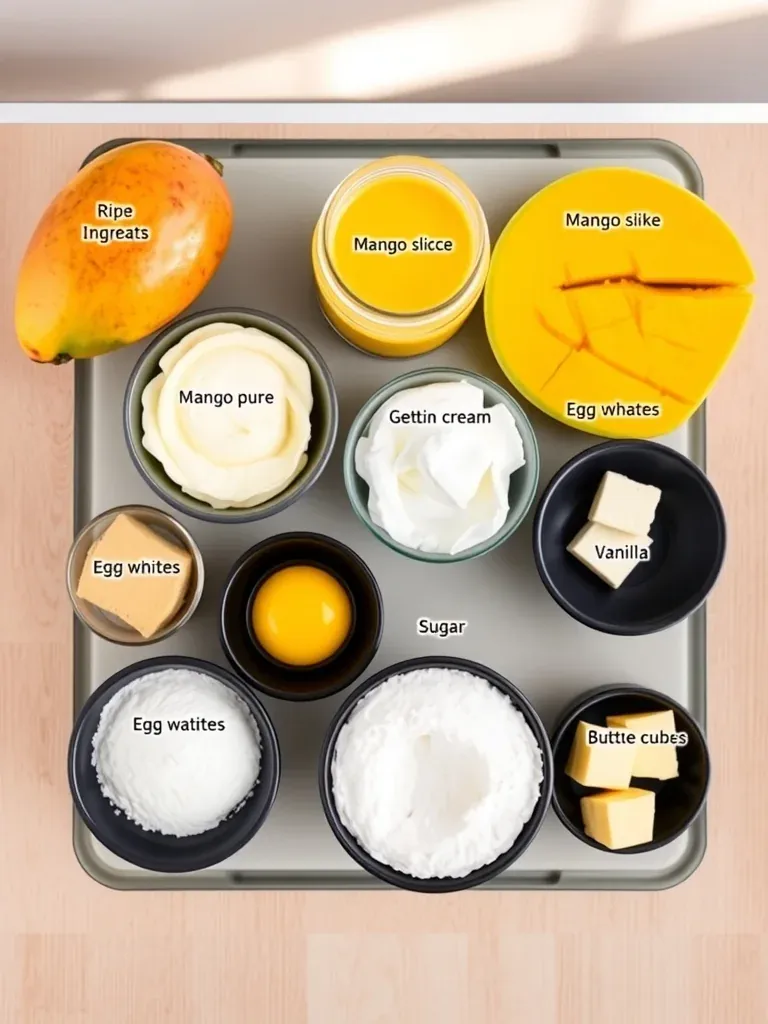
Ingredients
Sponge Base
Mango Mousse
Optional Garnish
Instructions
- 1
Preheat the oven to 350°F (175°C). Grease a 9‑inch springform pan and set aside.
- 2
In a bowl, whisk flour, sugar, baking powder, and salt. In another bowl, beat eggs, then fold in melted butter; combine with dry ingredients and pour into the pan. Bake 12‑15 minutes until golden; let cool completely.
- 3
While the cake cools, blend mango purée with lemon juice and powdered sugar until smooth.
- 4
Soften gelatin in warm water, then stir into the mango mixture; let sit a minute to activate.
- 5
In a chilled bowl, whip heavy cream to soft peaks; gently fold the whipped cream into the mango‑gelatin blend, then fold in softened cream cheese until fully incorporated.
- 6
Spread the mango mousse evenly over the cooled sponge, smoothing the top with a spatula.
- 7
Refrigerate the assembled cake for at least 2 hours, or until set.
- 8
Before serving, garnish with mango ribbons, coconut flakes, and a sprig of mint for color.
Nutrition per serving
- 280 kcal
- Calories
- 5 g
- Protein
- 32 g
- Carbs
- 14 g
- Fat
Tips & notes
- If the mousse appears too runny, chill it a bit longer before pouring. - Make sure the gelatin is fully dissolved to avoid grainy spots. - Taste the mango purée before adding sugar; adjust sweetness accordingly.
Frequently asked questions
Can I use frozen mangoes?
Yes, thaw them fully and drain excess liquid before puréeing to keep the mousse from becoming watery.
What if I don’t have gelatin?
A vegetarian alternative is agar‑agar; use about one‑third the amount and follow the same dissolving steps.
How long can I store the cake?
Refrigerate up to three days in an airtight container; the mousse stays fresh and the sponge remains moist.
Can I make this cake gluten‑free?
Swap the regular cake base for a gluten‑free almond or rice flour sponge; the texture remains tender.
Is it possible to add a layer of chocolate?
Absolutely—spread a thin dark chocolate ganache between the sponge and mousse for a richer version.
What garnish works best?
Thin mango ribbons, toasted coconut flakes, or a dusting of powdered sugar add visual charm without overpowering the flavor.
Share:
Join our newsletter
New posts straight to your inbox. No spam, unsubscribe anytime.