French Macarons – Beginner Friendly Recipe
A beginner‑friendly recipe for delicate, light French macarons with a perfect crust and chewy center.
- Total time
- 45 min
- Servings
- 24 Servings
- Difficulty:
- Hard
Table of contents
Honestly, making macarons can feel like a quiet ritual. I remember the first time I whisked egg whites and heard that soft, steady hum. So, if you’ve ever wondered how to get that perfect rise, you’re in the right place. By the way, if you love other French treats, you might enjoy butter cake or a cup of hot chocolate while the shells bake.
The essence of the dish
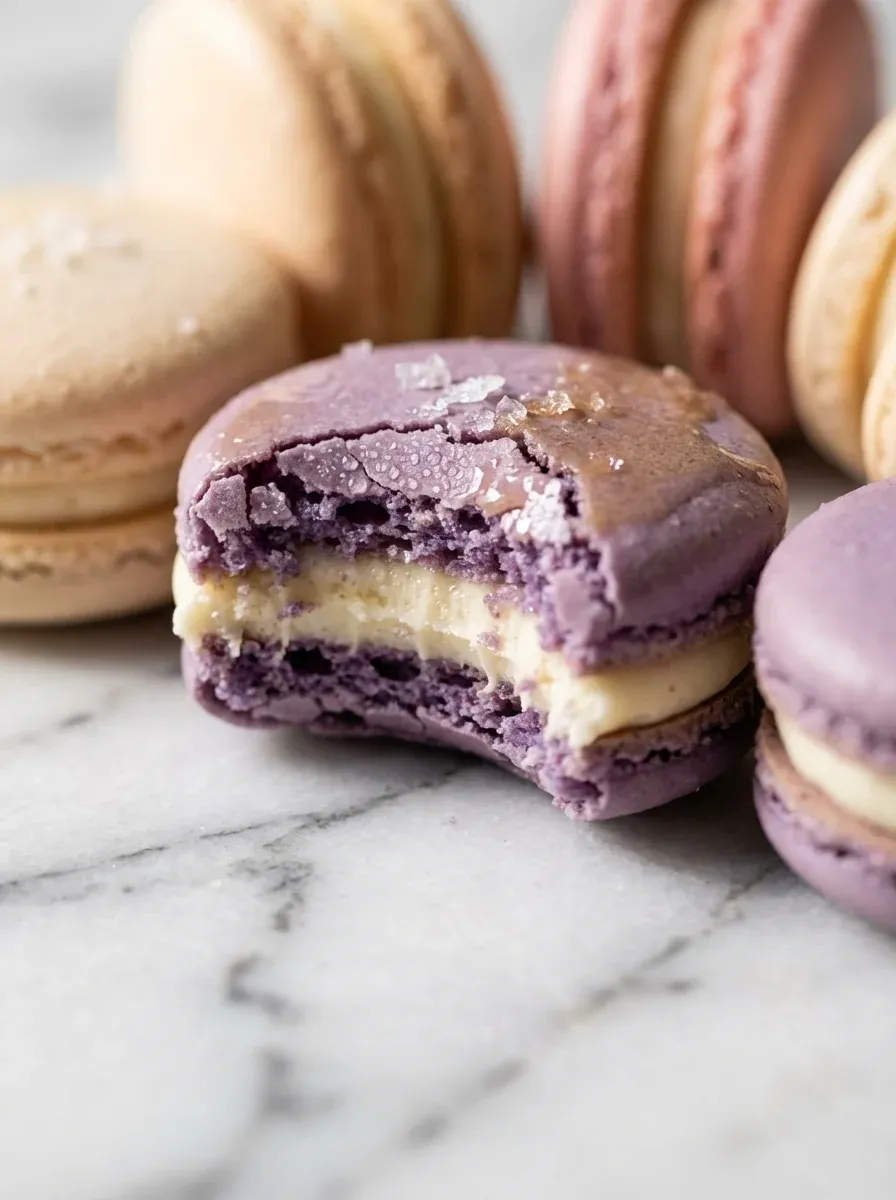
A macaron is a balance of airy meringue and a tender almond crumb, finished with a luscious filling that adds richness.
A fun fact or historical angle
The modern macaron became popular in Paris after the 1930s, when a baker named Pierre Desfontaines introduced the double‑shell version.
Flavor or sensory focus
Expect a delicate snap on the outside, a chewy interior, and a burst of flavor from the filling that lingers gently.
You Must Know
- Temperature of egg whites matters
- Do not over‑mix the batter
- Resting time creates the signature feet
I’ve learned these little nuances over many batches. A tiny shift in temperature can change the whole outcome, and that’s okay – it’s part of the journey. Take your time, breathe, and enjoy the subtle aromas that rise with each bake.
The story behind it
Macarons trace their roots to the medieval Italian city of Venice before crossing the Alps to the French court. They became a symbol of refined elegance in Parisian pâtisseries, celebrated for their delicate texture and vibrant hues. Their popularity surged in the 20th century, making them a beloved confection worldwide.
Why You'll Love It
- Simple ingredients, no fancy equipment needed
- Gentle learning curve with satisfying results
- Versatile flavors for any occasion
- Beautiful presentation that looks professional
Tips for success
- Measure ingredients by weight, not volume.
- Let piped shells rest until they form a dry skin.
- Do not open the oven door during the first 10 minutes.
Professional secrets
- Use aged almond flour for extra depth.
- Whisk egg whites until they form a glossy peak, not dry.
- Bake at a low temperature to preserve the delicate texture.
Common mistakes to avoid
- Over‑mixing batter leads to flat shells.
- Baking at too high a temperature causes cracks.
- Skipping the resting period prevents the signature feet.
Substitutions
- Almond flour:* Hazelnut flour. Will add a deeper, earthy flavor; sift well.
- Egg whites:* Aquafaba (chickpea liquid). Use 3 tbsp per egg white; whip until glossy.
Variations
- Chocolate Ganache:* Replace buttercream with a rich dark chocolate ganache for an indulgent twist.
- Lemon Curd:* Swap the filling for tangy lemon curd to brighten the flavor profile.
Storage
Store in an airtight container in the refrigerator for up to three days; let reach room temperature before serving.
Make ahead
You can pipe and rest the shells up to 24 hours ahead; store them in an airtight container before baking.
Leftovers
If you have extra shells, keep them sealed and fill them fresh the next day for best texture.
Serving ideas
- Arrange paired macarons on a vintage platter.
- Serve alongside a small glass of sparkling water.
- Garnish the plate with a sprig of fresh mint.
Allergy information
Contains nuts, egg, and dairy (in the buttercream).
French Macarons – Beginner Friendly Recipe
A beginner‑friendly recipe for delicate, light French macarons with a perfect crust and chewy center.
- Prep time
- 30 min
- Cook time
- 15 min
- Total time
- 45 min
- Difficulty
- Hard
- Cuisine
- French
- Course
- Dessert
Ingredients
Shells
Filling
Instructions
- 1
Sift the almond flour and powdered sugar together twice; set aside.
- 2
In a clean bowl, whisk the egg whites with a pinch of salt until foamy, then gradually add granulated sugar, continuing until stiff, glossy peaks form.
- 3
Gently fold the dry almond mixture into the meringue in three additions, being careful not to over‑mix; the batter should flow like lava.
- 4
Transfer the batter to a piping bag fitted with a round tip, pipe 1‑inch circles onto parchment‑lined trays, tap trays lightly, and let rest 30‑45 minutes until a skin forms.
- 5
Bake in a pre‑heated 150°C (300°F) oven for 12‑15 minutes, then cool completely before pairing shells and adding the buttercream filling.
Nutrition per serving
- 120 kcal
- Calories
- 2 g
- Protein
- 12 g
- Carbs
- 7 g
- Fat
Tips & notes
- If the shells sink, the batter was over‑mixed; next time, stop when it flows slowly. - For a deeper flavor, toast the almond flour lightly before sifting. - Use a kitchen scale for best accuracy; it makes a huge difference.
Frequently asked questions
Why do my macarons crack on the top?
Cracking usually means the shells didn’t rest long enough or the oven temperature was too high. Allow the shells to dry until a skin forms before baking.
Can I use an electric mixer for the meringue?
Yes, a handheld or stand mixer works fine; just whisk to stiff peaks without over‑beating.
How do I store leftover macarons?
Keep them in an airtight container in the fridge for up to three days; they taste even better after a night.
What fillings work best?
Classic buttercream, chocolate ganache, fruit curds, or flavored cream cheese are all lovely.
Can I make them gluten‑free?
Absolutely, they are naturally gluten‑free as long as you use pure almond flour.
Do I need a special piping bag?
A plain disposable bag or a reusable silicone one works; just fit the tip snugly for even circles.
Share:
Join our newsletter
New posts straight to your inbox. No spam, unsubscribe anytime.