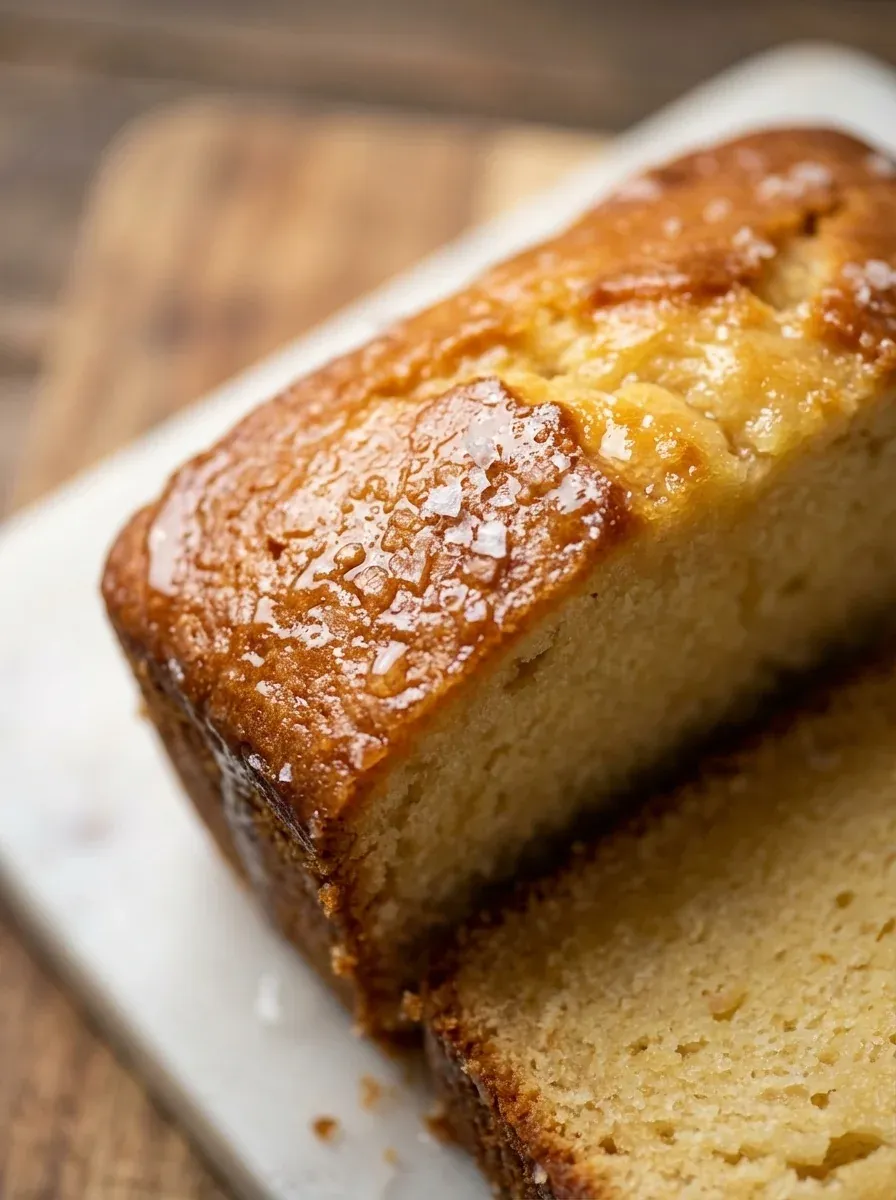
French Butter Cake – Rich and Moist
A classic French butter cake that’s buttery, moist, and delightfully simple.
- Total time
- 45 min
- Servings
- 8 Servings
- Difficulty:
- Easy
Table of contents
Honestly, when I first baked this French Butter Cake, the kitchen was filled with a buttery scent that reminded me of my grandmother’s Sunday mornings. I think you’ll love it as much as I do. If you’re craving something extra indulgent, try the better‑than‑sex cake for a playful twist.
The essence of the dish
What makes this cake special is its buttery richness paired with a feather‑light crumb. The gentle rise comes from careful creaming, and the subtle vanilla adds depth without stealing the spotlight.
A fun fact or historical angle
In the early 1900s, French households often served this cake with tea, believing the butter helped balance the bitterness of the brew.
Flavor or sensory focus
You’ll notice a warm, nutty aroma as it bakes, followed by a silky melt‑in‑your‑mouth texture that’s both comforting and elegant.
You Must Know
- Do not over‑mix the batter; it can toughen the crumb.
- Room‑temperature ingredients blend more evenly.
- A light dusting of powdered sugar adds a finishing touch.
Each of these details contributes to the cake’s signature softness and subtle sweetness. Take your time, enjoy the process, and remember that even a small slip—like a brief pause—adds personality to the final slice. The result is a cake that feels like a gentle hug on a plate.
The story behind it
The French butter cake, or "Gâteau au Beurre," dates back to the 19th century when simple ingredients like butter, flour, and sugar were celebrated for their richness. Originating from the Loire Valley, the cake was traditionally served at tea time, offering a modest yet elegant finish to a meal. Its humble origins have turned it into a beloved classic, prized for the way it balances softness with a subtle caramelized crust. Though the recipe has traveled far, the core technique remains unchanged: gentle creaming of butter and sugar, followed by careful incorporation of eggs and flour to create a tender crumb that melts in the mouth.
Why You'll Love It
- Incredibly moist texture that stays tender for days
- Simple pantry ingredients, no fancy equipment needed
- Classic French flavor that feels sophisticated yet homey
- Perfect base for fresh fruit, jam, or a dusting of powdered sugar
Tips for success
- Room‑temperature ingredients blend evenly, preventing lumps.
- Cream butter and sugar long enough to incorporate air for lift.
- Fold flour gently to keep the crumb tender.
- Cool the cake on a rack to prevent soggy bottoms.
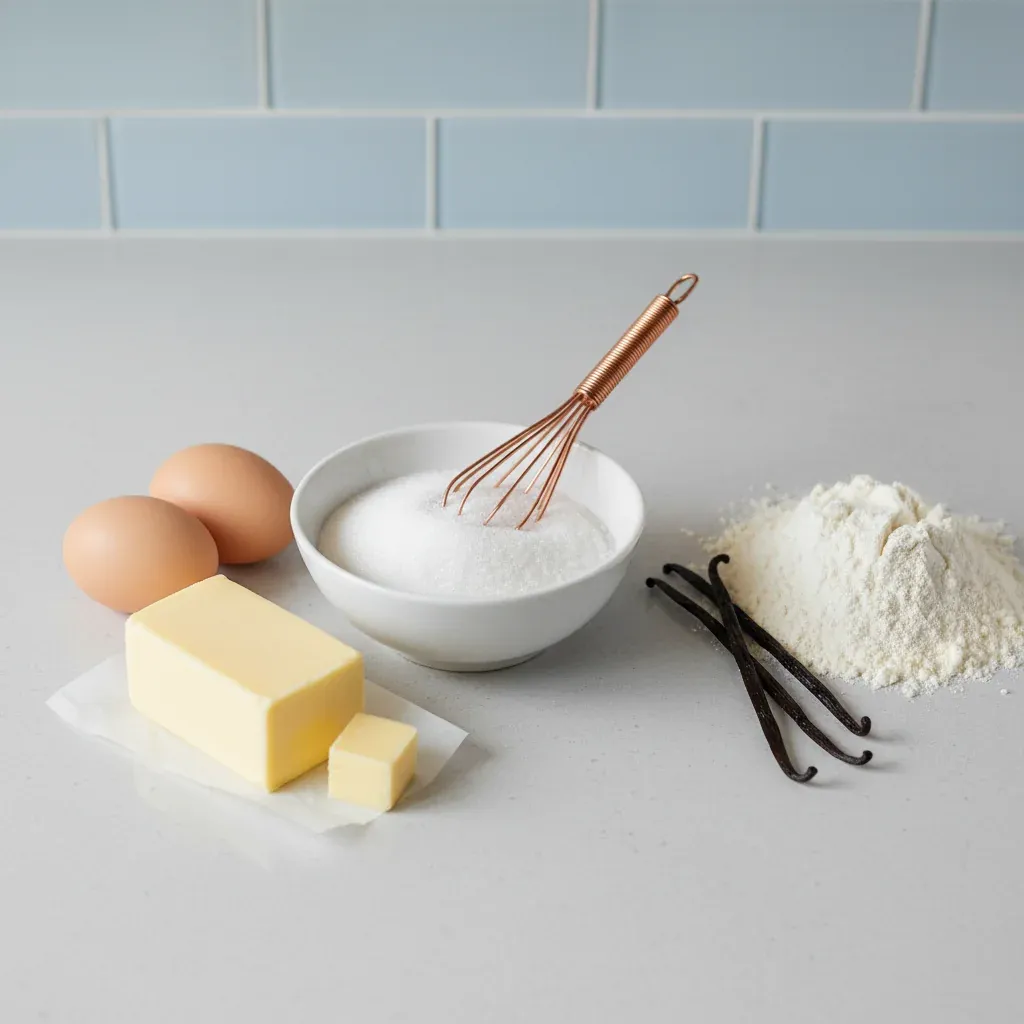
Professional secrets
- Use high‑fat butter for a richer mouthfeel.
- Sift flour twice for a feather‑light texture.
- Let the batter rest 10 minutes before baking for even rise.
Common mistakes to avoid
- Over‑mixing the batter, which can create a tough crumb.
- Using cold butter, leading to a dense texture.
- Opening the oven too early, causing the cake to sink.
Substitutions
- Unsalted butter:* Margarine (use a high‑fat variety). Texture will be slightly less rich; keep the butter soft.
- Whole milk:* Almond milk. Use unsweetened; may result in a lighter crumb.
Variations
- Lemon Zest Twist:* Add the zest of one lemon to the batter for a bright citrus lift.
- Almond Infusion:* Replace 1/4 cup of flour with almond flour and sprinkle sliced almonds on top before baking.
Storage
Store in an airtight container at room temperature; it stays moist for up to three days.
Make ahead
You can bake the cake a day ahead, wrap tightly, and bring to room temperature before serving.
Leftovers
Reheat gently in a low oven (300°F) for 5‑7 minutes to restore softness.
Serving ideas
- Serve warm with a dusting of powdered sugar and fresh berries.
- Pair with a slice of soft cheese for an elegant brunch.
- Add a scoop of vanilla ice cream for a comforting dessert.
- Garnish with toasted almond slivers for extra crunch.
Allergy information
Contains dairy, eggs, and wheat.
French Butter Cake – Rich and Moist
A classic French butter cake that’s buttery, moist, and delightfully simple.
- Prep time
- 15 min
- Cook time
- 30 min
- Total time
- 45 min
- Difficulty
- Easy
- Cuisine
- French
- Course
- Dessert
Ingredients
Main Ingredients
Optional Topping
Instructions
- 1
Preheat the oven to 350°F (175°C). Grease a 9‑inch round pan and line the bottom with parchment paper.
- 2
In a large bowl, cream the softened butter and sugar together until the mixture is pale, fluffy, and smells of toasted vanilla.
- 3
Add the eggs one at a time, beating well after each addition, then stir in the vanilla extract.
- 4
Fold in the sifted flour and salt alternately with the milk, beginning and ending with the flour, mixing just until combined.
- 5
Pour the batter into the prepared pan, smoothing the top with a spatula. If you like a caramelized edge, brush the surface lightly with melted butter.
- 6
Bake for 30‑35 minutes, or until the top is golden and a toothpick inserted in the centre comes out clean.
- 7
Allow the cake to cool in the pan for ten minutes, then turn it onto a wire rack. Dust with powdered sugar and serve with fresh berries if desired.
Nutrition per serving
- 350 kcal
- Calories
- 5 g
- Protein
- 42 g
- Carbs
- 18 g
- Fat
Tips & notes
- For an extra buttery crust, melt a tablespoon of butter and brush over the top halfway through baking. - Do not open the oven door in the first 15 minutes; this can cause the cake to sink. - If you prefer a richer flavor, substitute half of the milk with heavy cream.
Frequently asked questions
Can I use melted butter instead of softened butter?
Melted butter will change the texture, making the cake denser. It’s best to keep the butter soft but not liquid.
How long does the cake stay fresh?
Stored in an airtight container at room temperature, it stays moist for up to three days.
Can I add fruit to the batter?
Yes, gently fold in fresh berries or diced apples, but add them after the flour to avoid sinking.
What pan size works best?
A 9‑inch round or square pan gives the ideal thickness for this recipe.
Do I need to line the pan?
Parchment paper makes removal easy and keeps the bottom from over‑browning.
Can I freeze leftovers?
Absolutely—wrap slices tightly and freeze for up to two months; thaw at room temperature.
Tags:
Share:
Join our newsletter
New posts straight to your inbox. No spam, unsubscribe anytime.