Quick & Easy Same-Day Sourdough Pizza Dough
Fluffy, tangy sourdough pizza dough ready the same day, no overnight starter needed.
- Isabella
- Quick & Easy
- April 3, 2026
- 3 min read
- Updated October 5, 2026
- Total time
- 32 min
- Servings
- 4 Servings
- Difficulty:
- Medium
Table of contents
Honestly, I remember the first time I tried to coax a sourdough starter into a pizza crust. The kitchen smelled of warm earth and a hint of yeast, and I was nervous. But the result? A crust that felt like a soft pillow with a crisp edge. This recipe lets you capture that magic in just a few hours, no overnight patience required.
The essence of the dish
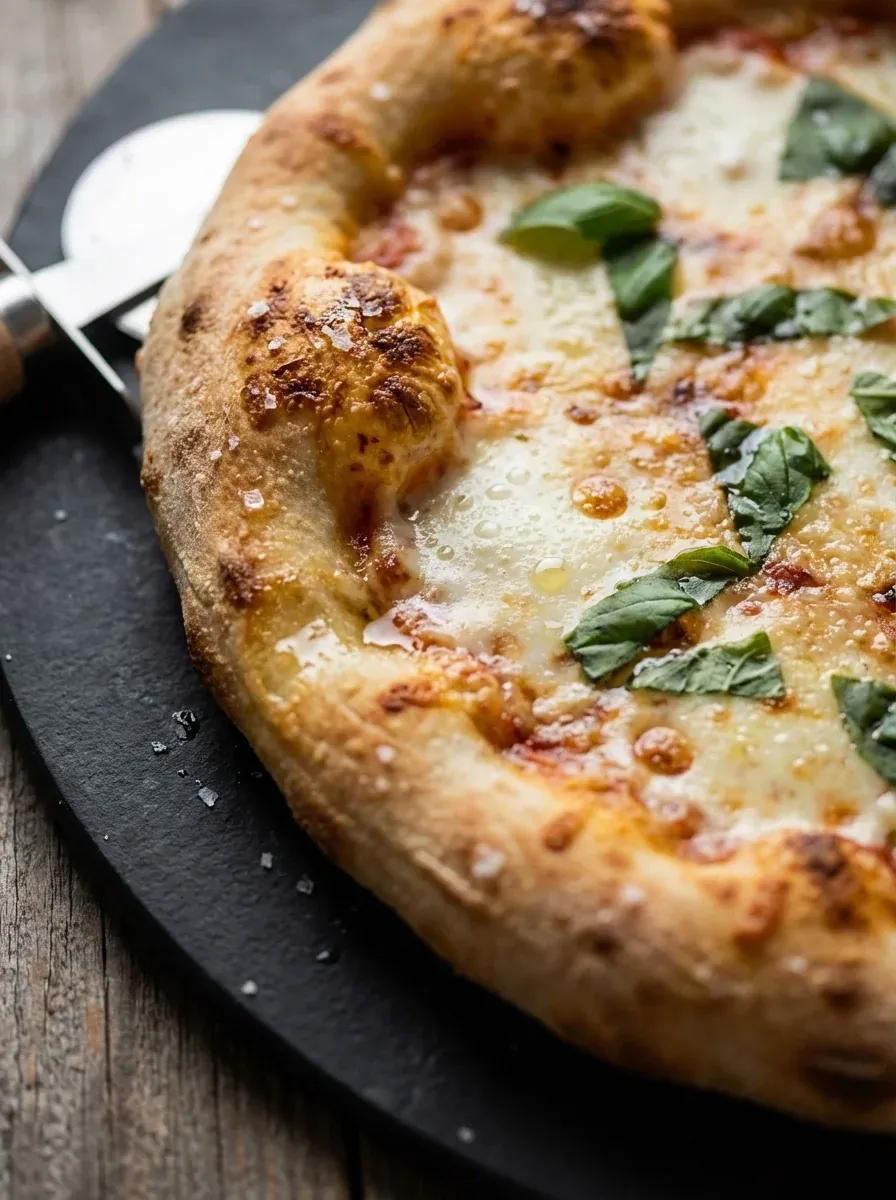
A dough that balances airy softness with a crisp, golden edge—thanks to the natural leavening of sourdough and a short, warm rise.
A fun fact or historical angle
Sourdough was the first cultivated grain product, and its wild yeasts were the original “starter culture” long before commercial yeast existed.
Flavor or sensory focus
You’ll notice a subtle tang, a buttery mouthfeel, and the faint aroma of toasted wheat that lingers as you bite.
You Must Know
- If the dough feels sticky, add a sprinkle of flour, not too much.
- Cold water slows fermentation; use warm water for speed.
- Resting the dough after shaping improves oven spring.
I’ve learned these through trial and error, often laughing at my own missteps. Oops, once I over‑hydrated the dough and it turned into a sticky puddle—now I trust the feel more than the numbers. So, enjoy the process, and let the dough teach you its rhythm.
The story behind it
The story of sourdough pizza stretches back to early 20th‑century Italian immigrants who tamed wild yeasts to stretch thin, crispy bases for their pies. Over time, that tradition merged with modern home‑baking tools, giving us the quick‑day sourdough we love today. While the technique is rooted in old‑world craftsmanship, the flavor is timeless, inviting you to share a slice of history at your own table.
Why You'll Love It
- Minimal waiting time, ready in hours
- Tangy flavor without a sour punch
- Soft interior with a crisp edge
- Flexible base for any topping
Tips for success
- Do not over‑knead; gentle handling keeps the crumb airy.
- Allow the dough to rest after shaping; it relaxes gluten.
- Use a hot oven; high heat creates that sought‑after leopard spotting.

Professional secrets
- Cold‑ferment the dough for 30 minutes to develop deeper flavor.
- Steam the oven briefly before sliding the pizza for a softer crust.
- Dust the stone with semolina for easy release and extra crunch.
Common mistakes to avoid
- Using cold water, which slows fermentation.
- Over‑kneading, leading to a dense crust.
- Baking on a cold surface, resulting in a soggy base.
Substitutions
- Bread flour:* All‑purpose flour. Will yield a slightly softer crust; add a tablespoon of vital wheat gluten for extra strength.
- Olive oil:* Melted butter. Gives a richer flavor but reduces the dough’s shelf life by a few hours.
Variations
- Spicy Version:* Add crushed red pepper flakes to the dough and top with hot honey for a gentle kick.
- Mediterranean Style:* Stir in dried oregano and rosemary, then top with feta, olives, and sun‑dried tomatoes.
Storage
Store any leftover dough, tightly wrapped, in the refrigerator for up to 3 days.
Make ahead
You can mix the dough the night before, refrigerate it overnight, and bake the next evening for an even deeper flavor.
Leftovers
Reheat slices in a hot skillet with a drizzle of oil to revive the crust’s crispness.
Serving ideas
- Serve with a simple arugula and parmesan salad.
- Pair with a light red wine like Chianti.
- Garnish with fresh basil leaves right after baking.
Allergy information
Contains gluten, dairy (if cheese added), and soy (if using certain sauces).
Quick & Easy Same-Day Sourdough Pizza Dough
Fluffy, tangy sourdough pizza dough ready the same day, no overnight starter needed.
- Prep time
- 20 min
- Cook time
- 12 min
- Total time
- 32 min
- Difficulty
- Medium
- Cuisine
- Italian
- Course
- Main Course
Ingredients
Dough
Topping Suggestions
Instructions
- 1
In a large bowl combine the starter and warm water; stir until the starter dissolves.
- 2
Add the bread flour, sea salt, olive oil, and honey; mix until a shaggy dough forms.
- 3
Turn the dough onto a lightly floured surface and knead gently for about 3 minutes, just until it comes together.
- 4
Place the dough in a lightly oiled bowl, cover, and let it rest at room temperature for 1 hour.
- 5
After the rest, perform a series of four stretch‑and‑folds spaced 15 minutes apart.
- 6
Let the dough bulk‑ferment for a total of 1 hour, until it has risen about 30%.
- 7
Divide the dough into 2 equal pieces, shape into discs, and let rest 15 minutes.
- 8
Pre‑heat your oven with a pizza stone to its highest setting (450‑500°F).
- 9
Stretch each disc by hand, add sauce and toppings, and bake for 10‑12 minutes until golden.
Nutrition per serving
- 280 kcal
- Calories
- 9 g
- Protein
- 48 g
- Carbs
- 6 g
- Fat
Tips & notes
- If the dough feels too sticky, dust with a little extra flour during shaping. - For extra crispness, bake on a pre‑heated pizza stone or steel. - You can add a pinch of malt powder to boost browning.
Frequently asked questions
Can I use whole‑wheat flour?
Yes, replace up to 30% of the bread flour with whole‑wheat for a nuttier flavor and extra nutrition.
Do I need a starter feed the night before?
A healthy starter fed 12 hours before mixing is ideal; it ensures vigorous activity.
What temperature should I bake at?
Pre‑heat your oven to its maximum (450‑500°F) and bake on a stone for 10‑12 minutes.
Can I freeze the dough?
Absolutely; shape the dough, wrap tightly, and freeze for up to a month. Thaw in the fridge before baking.
How do I prevent the crust from drying out?
Brush a thin layer of olive oil on the edges before baking; it locks in moisture.
Is it okay to add herbs to the dough?
Sure, fold in dried oregano or rosemary during the last few minutes of bulk fermentation for extra aroma.
Tags:
Share:
Join our newsletter
New posts straight to your inbox. No spam, unsubscribe anytime.