Orange Loaf Cake – Moist Citrus Treat
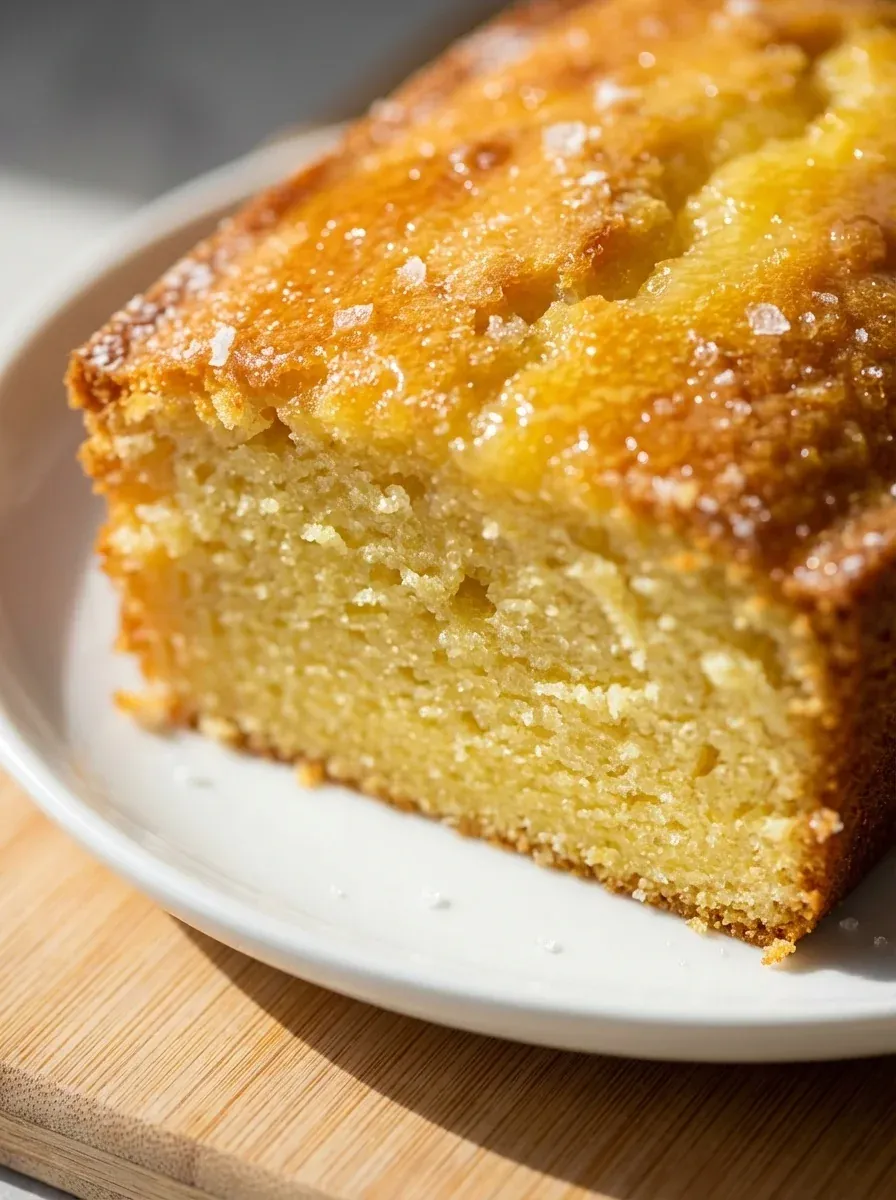
A light, moist loaf bursting with fresh orange zest and a tender crumb.
- Total time
- 50 min
- Servings
- 8 Servings
- Difficulty:
- Easy
Table of contents
I remember the first time I sliced into a warm orange loaf, the steam carrying a gentle citrus perfume. Honestly, it felt like sunshine on a plate. This loaf is simple, comforting, and just the right amount of sweet.
The essence of the dish
A delicate balance of sweet orange zest, buttery crumb, and a faint vanilla undertone creates a cake that feels both airy and satisfying.
A fun fact or historical angle
During the 1930s, orange loaves were often baked in school cafeterias because the bright flavor lifted spirits during tough times.
Flavor or sensory focus
First, the fragrant citrus perfume; then, the soft, almost fluffy texture that yields easily to a fork, leaving a lingering hint of orange on the palate.
You Must Know
- Use fresh zest for true fragrance
- Do not over‑mix the batter
- Allow the loaf to cool slightly before slicing
Honestly, these little details make the difference between an ordinary cake and a memorable one. I’ve found that a gentle hand and a bit of patience are all you need. Look, the result is a loaf that feels like a warm hug on a cool morning.
The story behind it
Originating in the early 20th century as a pantry‑friendly cake, orange loaf cake became popular in American homes during the Depression, when citrus was prized for its vitamin C. Its enduring appeal lies in the balance of bright orange flavor and tender crumb, making it a timeless dessert for any occasion.
Why You'll Love It
- Light and airy texture that melts in your mouth
- Fresh orange zest gives a vivid, natural flavor
- Simple ingredients you probably already have
- Versatile: serve warm, toasted, or at room temperature
Tips for success
- Measure flour using the spoon‑and‑level method to avoid heaviness.
- Room‑temperature butter incorporates air better.
- Check loaf at 35 minutes; ovens vary.
Professional secrets
- Creaming butter and sugar traps air for lift.
- Folding dry ingredients gently preserves tenderness.
- Using buttermilk adds acidity that tenderizes gluten.
Common mistakes to avoid
- Over‑mixing batter, leading to a dense loaf.
- Opening oven door too early, causing a sunken top.
- Using canned orange juice, which lacks fresh zest aroma.
Substitutions
- Butter:* Margarine or coconut oil. Margarine works but may alter flavor slightly.
- Buttermilk:* Plain yogurt thinned with milk. Provides similar tang and moisture.
Variations
- Spicy Version:* Add ½ tsp ground cinnamon and a pinch of cayenne for a warm kick.
- Mediterranean Style:* Fold in chopped dried apricots and pistachios; drizzle with a honey‑orange glaze.
Storage
Wrap tightly in plastic wrap; keep at room temperature for up to three days or freeze for up to two months.
Make ahead
Bake the loaf up to two days ahead; wrap tightly and bring to room temperature before serving.
Leftovers
Toast slices lightly and spread with a thin layer of almond butter for a quick snack.
Serving ideas
- Slice warm, drizzle with glaze, and serve with a dollop of whipped cream.
- Toast slices lightly and serve with fresh berries.
- Pair each slice with a hot cup of tea for a cozy afternoon.
Allergy information
Contains gluten, dairy, and eggs.
Orange Loaf Cake – Moist Citrus Treat
A light, moist loaf bursting with fresh orange zest and a tender crumb.
- Prep time
- 15 min
- Cook time
- 35 min
- Total time
- 50 min
- Difficulty
- Easy
- Cuisine
- American
- Course
- Dessert
Ingredients
Batter
Optional Glaze
Instructions
- 1
Preheat the oven to 350°F (175°C). Grease a 9×5‑inch loaf pan and line with parchment.
- 2
In a bowl, whisk together flour, baking powder, baking soda, and salt; set aside.
- 3
Cream butter and sugar until light and fluffy; add eggs one at a time, mixing well after each.
- 4
Stir in orange zest, orange juice, and vanilla; gently fold in the dry ingredients alternating with buttermilk, beginning and ending with the flour mixture.
- 5
Pour batter into the prepared pan, smooth the top, and bake for 35‑40 minutes, or until a toothpick inserted comes out clean.
- 6
Allow the loaf to cool in the pan 10 minutes, then turn out onto a wire rack. If using glaze, whisk powdered sugar with orange juice and drizzle over the warm loaf.
Nutrition per serving
- 310 kcal
- Calories
- 4 g
- Protein
- 44 g
- Carbs
- 12 g
- Fat
Tips & notes
- If the batter looks slightly dry, add a tablespoon of milk. - Do not over‑mix; the loaf could become dense. - For extra zest, sprinkle a little extra orange zest on top before baking.
Frequently asked questions
Can I use frozen orange zest?
Fresh zest is best for aroma, but frozen zest works if it’s thawed and patted dry first.
How long does the loaf stay fresh?
Stored in an airtight container at room temperature, it stays moist for up to three days.
Can I substitute buttermilk?
Yes, use regular milk with a tablespoon of lemon juice or vinegar; let it sit 5 minutes before mixing.
What glaze works well?
A simple glaze of powdered sugar mixed with a splash of orange juice adds a sweet sheen.
Is this recipe gluten‑free?
Swap the all‑purpose flour for a 1‑to‑1 gluten‑free blend; the texture remains light.
Can I add raisins or nuts?
Absolutely; fold in a half‑cup of raisins or toasted almonds before baking.
Tags:
Share:
Join our newsletter
New posts straight to your inbox. No spam, unsubscribe anytime.