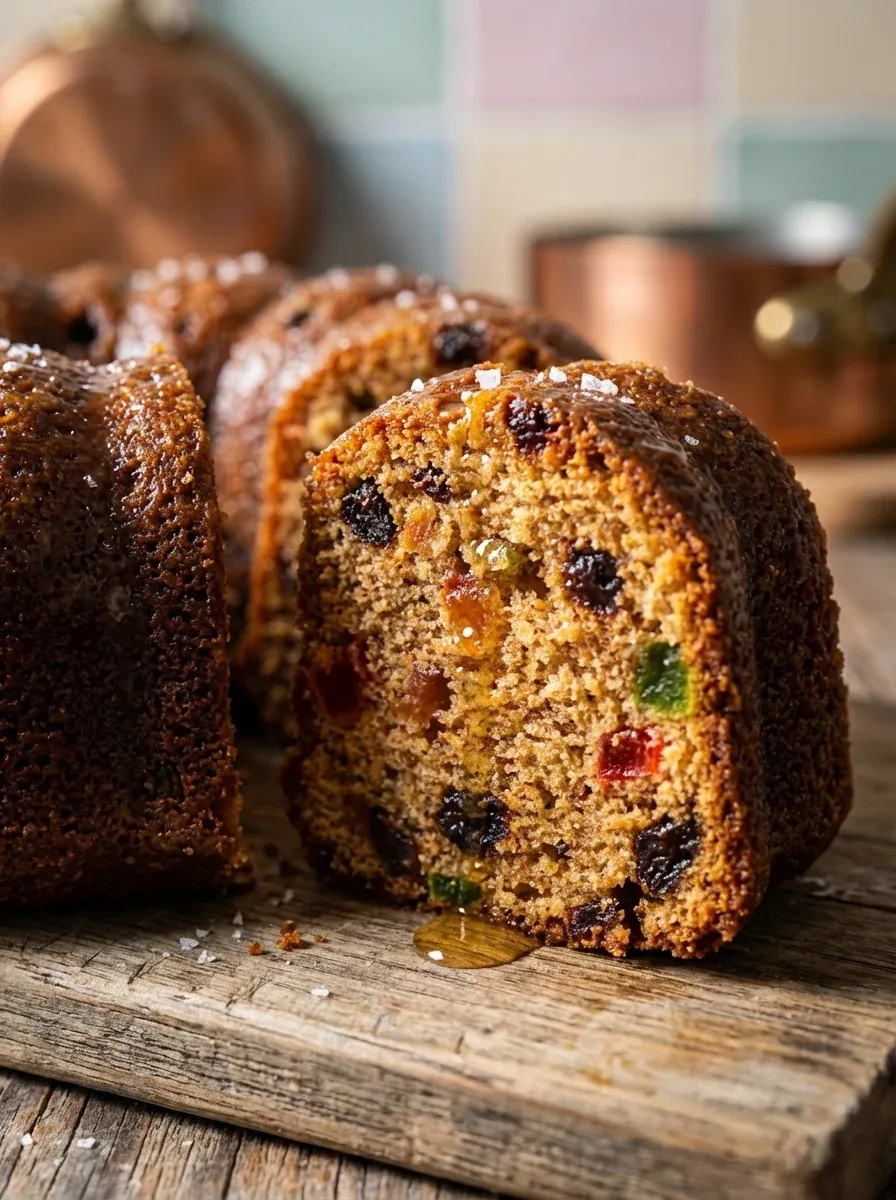
Old Fashioned German Fruit Cake
A classic German fruit cake packed with sweet dried fruit, nuts, and warming spices—perfect for holidays or any cozy gathering.
- Total time
- 1 h 30 min
- Servings
- 10 Servings
- Difficulty:
- Medium
Table of contents
I remember when my mother first baked this cake for a family birthday; the house smelled of clove and orange zest, and we all gathered around the table, eyes bright with anticipation. It’s a recipe that carries the quiet joy of those moments, and I’m happy to share it with you. If you’re curious about other German treats, check out German pancake for a fluffy companion.
The essence of the dish
A harmonious blend of sweet dried fruit, toasted nuts, and aromatic spices that creates a tender crumb and a lingering fragrance.
A fun fact or historical angle
In the 1800s German bakers often used preserved fruit and honey to ensure cakes could be enjoyed throughout long winters.
Flavor or sensory focus
You’ll first notice the warm scent of cinnamon and nutmeg, then a soft chew of apricots and raisins, finishing with a buttery, nutty after‑taste.
You Must Know
- Cool the cake completely before slicing
- Wrap tightly to keep moisture in
- Reheat gently for best texture
These small steps make a big difference. When you let the cake rest, the flavors become more integrated, and each slice feels moist yet firm enough to hold its shape. It’s a simple ritual that turns an ordinary dessert into something memorable. I hope you enjoy the quiet pleasure of sharing it with loved ones.
The story behind it
Rooted in centuries‑old German baking traditions, this fruit cake was originally prepared for special occasions like weddings and Christmas. The blend of candied fruits and sturdy nuts reflects the region’s harvest bounty, while the spice mix—cinnamon, cardamom, and a whisper of ginger—echoes the fragrant markets of old towns. It’s an age‑old comfort that has traveled across generations, staying true to its rustic simplicity.
Why You'll Love It
- The aroma fills the home with cozy, holiday warmth
- Soft, moist crumb that stays fresh for days
- Packed with natural sweetness from dried fruit
- Simple, timeless ingredients you likely have on hand
Tips for success
- Do not overmix the batter, it can make the cake tough
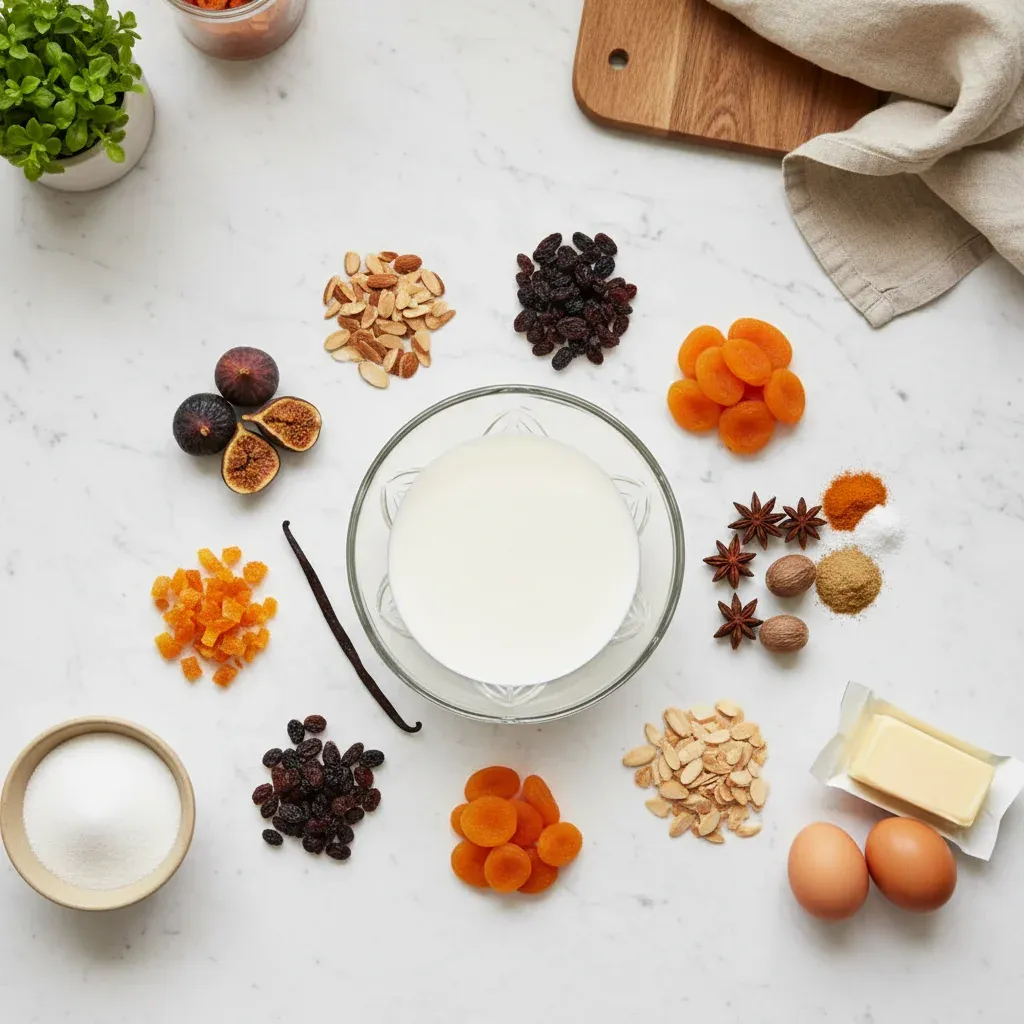
- Allow the fruit to soak fully for maximum juiciness
- Check doneness with a toothpick; it should come out clean
Professional secrets
- Room‑temperature butter incorporates air better, giving a lighter crumb
- Baking at a lower temperature prevents the crust from forming too early
- Wrapping the cake while still warm traps steam for extra moisture
Common mistakes to avoid
- Overmixing the batter, leading to a dense crumb
- Skipping the fruit soak, resulting in dry texture
- Baking at too high a temperature, causing a hard crust
Substitutions
- Butter:* Coconut oil. Gives a faint coconut aroma; use the same amount.
- Molasses:* Dark corn syrup. Provides similar richness but is slightly less robust in flavor.
Variations
- Spicy Version:* Add a pinch of ground ginger and a tablespoon of candied ginger for a subtle kick.
- Mediterranean Style:* Replace almonds with toasted pistachios and add a drizzle of honey before serving.
Storage
Keep in an airtight container; it stays moist for up to a week, or freeze for up to three months.
Make ahead
The cake can be baked up to two days ahead; wrap tightly and let it sit at room temperature to develop richer flavor.
Leftovers
Reheat a slice gently in a low oven (300°F) with a drizzle of milk to restore softness.
Serving ideas
- Serve with a cup of spiced tea
- Pair with a small scoop of vanilla ice cream
- Add a drizzle of caramel sauce for extra indulgence
- Garnish with toasted almond slivers
Allergy information
Contains dairy, eggs, nuts, and gluten.
Old Fashioned German Fruit Cake
A classic German fruit cake packed with sweet dried fruit, nuts, and warming spices—perfect for holidays or any cozy gathering.
- Prep time
- 30 min
- Cook time
- 1 h
- Total time
- 1 h 30 min
- Difficulty
- Medium
- Cuisine
- German
- Course
- Dessert
Ingredients
Main Ingredients
For the Soak
Instructions
- 1
Heat the tea, add orange zest, and pour over the dried fruit; let sit for 15 minutes, then drain.
- 2
Preheat oven to 325°F (160°C). Grease and flour a 9‑inch round pan.
- 3
In a large bowl, cream butter and brown sugar until light and fluffy; add molasses and beat in eggs one at a time.
- 4
Combine flour, baking soda, salt, and spices; fold into the butter mixture gently.
- 5
Stir in the soaked fruit and toasted almonds, distributing evenly.
- 6
Transfer batter to the pan, smooth the top, and bake for 55‑60 minutes, or until a toothpick comes out clean.
- 7
While still warm, brush the surface with a thin layer of apricot jam for a shiny finish.
- 8
Cool completely on a wire rack, then wrap tightly before storing.
Nutrition per serving
- 380 kcal
- Calories
- 4 g
- Protein
- 55 g
- Carbs
- 16 g
- Fat
Tips & notes
- If the cake browns too quickly, cover loosely with foil during the last 20 minutes. - For extra citrus aroma, add a teaspoon of orange extract to the batter. - The cake tastes even better the next day after flavors have melded.
Frequently asked questions
Can I use fresh fruit instead of dried?
Fresh fruit adds moisture but can make the cake denser; if you do, reduce the amount of molasses slightly.
How long does the cake keep?
Stored in an airtight container, it stays fresh for up to a week, and the flavors improve over time.
What can I substitute for butter?
Use an equal amount of coconut oil for a subtle coconut note, or a neutral vegetable oil for a lighter texture.
Is this cake gluten‑free?
Swap regular flour for a gluten‑free blend; the texture will remain tender.
Do I need a special pan?
A standard 9‑inch round or loaf pan works; just butter and flour it well.
Can I add a glaze?
A simple apricot‑jam glaze adds sheen and a sweet finish—brush it on while the cake is still warm.
Tags:
Share:
Join our newsletter
New posts straight to your inbox. No spam, unsubscribe anytime.