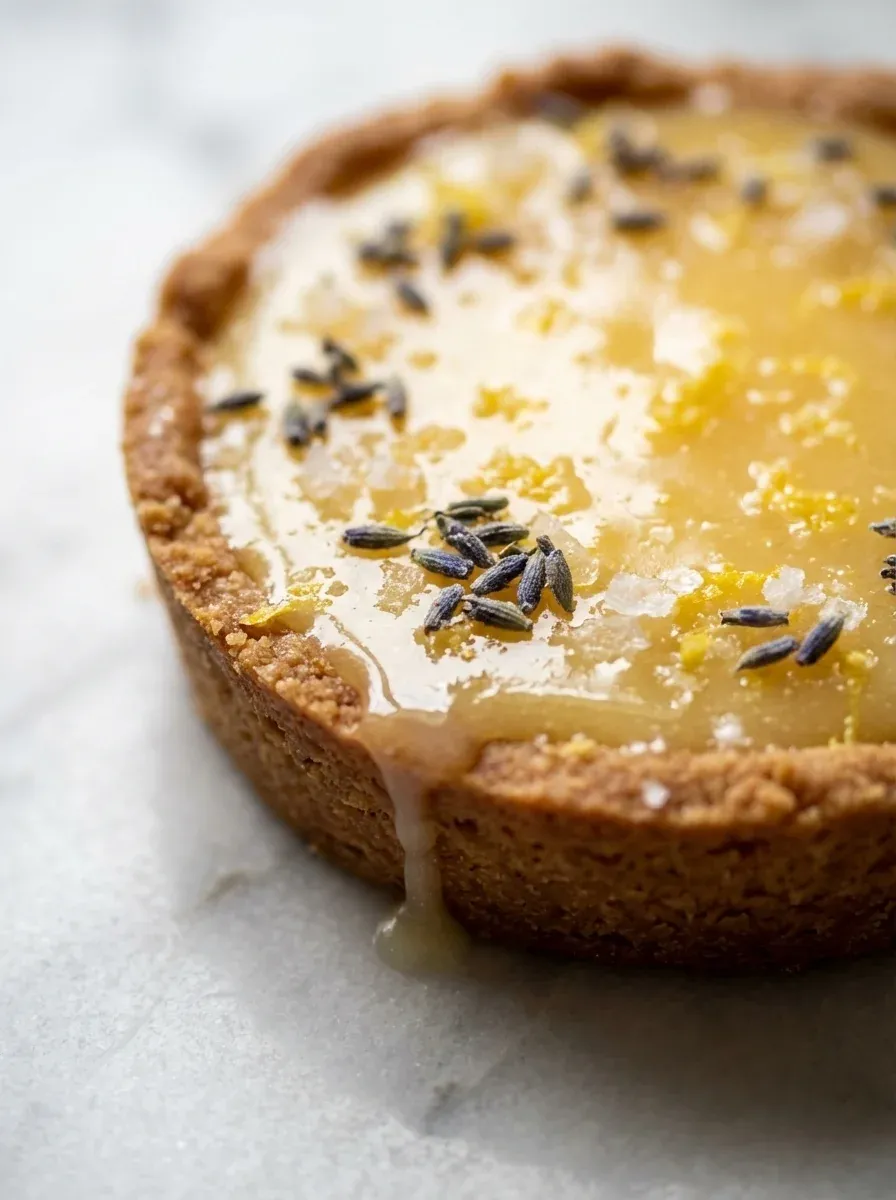
Lemon Lavender Tart
Citrus zest meets soothing lavender in a light, elegant tart.
- Total time
- 50 min
- Servings
- 8 Servings
- Difficulty:
- Medium
Table of contents
Honestly, this tart is like a soft summer breeze that carries the perfume of lavender fields and the sting of fresh lemons. I remember making it for my daughter’s birthday, and the smile that spread across her face made the whole afternoon feel warm and tender.
The essence of the dish
A buttery, crumbly base cradles a velvety lemon‑lavender custard. The contrast between the bright citrus and soothing herb creates a nuanced, lingering finish.
A fun fact or historical angle
In ancient Roman times, lavender was prized not only for perfume but also for its soothing qualities in desserts, often paired with citrus fruits that were considered symbols of wealth.
Flavor or sensory focus
The first bite delivers a burst of lemon sunshine, followed by a gentle floral caress that steadies the palate. The texture is creamy yet light, like a cloud that fades slowly.
You Must Know
- Do not over‑steep the lavender; five minutes is enough.
- A thin crust prevents the tart from becoming soggy.
- Room‑temperature lemons yield more juice.
Keeping these points in mind ensures the tart stays bright and fragrant. It’s a small ritual—measuring, stirring, and waiting—that turns a simple dessert into a moment of calm. I often let the aroma fill the kitchen before even tasting the first slice.
The story behind it
Lemon and lavender have long been paired in Mediterranean sweets, where the bright acidity of citrus complements the calming aroma of the herb. The tradition dates back to Provence, where lavender was once sprinkled over desserts to add a subtle perfume. This tart draws on that heritage, offering a modern, light take that feels both familiar and fresh.
Why You'll Love It
- A perfect balance of sweet and floral
- Simple ingredients that feel luxurious
- Quick to assemble, impressive to serve
- Light enough for any season
Tips for success
- Keep the butter cold; it creates a flaky crust.
- Strain the lavender‑infused cream for a smooth texture.
- Watch the filling closely; over‑baking leads to cracks.
Professional secrets
- Chill the dough before rolling to prevent shrinkage.
- Use a water bath for the filling to ensure gentle cooking.
- Allow the tart to rest before slicing for clean cuts.
Common mistakes to avoid
- Over‑steeping lavender, which can make the flavor soapy.
- Skipping the chill for the crust, leading to a tough base.
- Baking the filling too long, causing cracks.
Substitutions
- All‑purpose flour:* Gluten‑free flour blend. Mix a teaspoon of xanthan gum to maintain structure.
- Heavy cream:* Coconut cream. Gives a subtle coconut twist; ensure it’s well‑chilled.
Variations
- Berry Twist:* Fold in a handful of fresh blueberries into the filling for bursts of juiciness.
- Honey Lavender:* Replace half the sugar with honey for a richer, golden flavor.
Storage
Store in the refrigerator, covered, for up to three days.
Make ahead
The crust can be baked a day ahead and stored in an airtight container; the filling can be prepared and kept refrigerated, then combined before the final bake.
Leftovers
Reheat gently in a low oven (300°F) for about 10 minutes, or enjoy cold straight from the fridge.
Serving ideas
- Serve on a simple white platter to let the colors stand out.
- Add a side of vanilla ice cream for an indulgent contrast.
- Pair with a sprig of fresh mint for a refreshing finish.
Allergy information
Contains eggs, dairy, and gluten.
- Prep time
- 20 min
- Cook time
- 30 min
- Total time
- 50 min
- Difficulty
- Medium
- Cuisine
- French
- Course
- Dessert
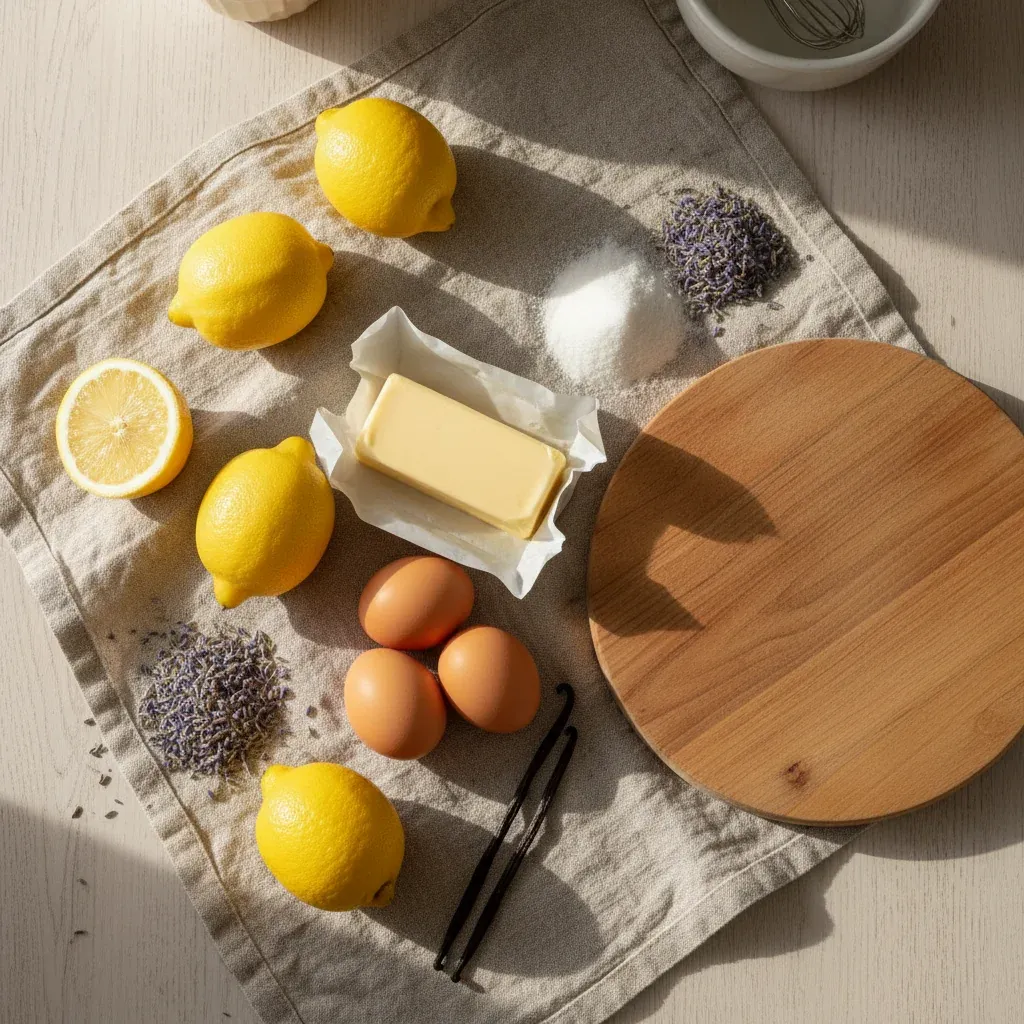
Ingredients
Crust
Filling
Finish
Instructions
- 1
Preheat the oven to 350°F (175°C). In a bowl combine flour, sugar, and salt; cut in the cold butter until the mixture resembles coarse crumbs. Add water a tablespoon at a time, stirring until the dough just comes together.
- 2
Press the dough evenly into a 9‑inch tart pan, trimming the edges. Chill for 10 minutes, then blind‑bake on parchment with pie weights for 12 minutes until lightly golden.
- 3
While the crust bakes, whisk eggs and sugar together until pale. In a small saucepan warm the cream, lemon juice, zest, butter, and lavender over low heat—just until it begins to steam. Remove and strain to discard the buds.
- 4
Gradually whisk the warm lavender‑cream into the egg mixture, then pour the filling into the pre‑baked crust. Bake for 20‑25 minutes, until the center is just set and a light wobble remains.
- 5
Allow the tart to cool to room temperature, then refrigerate for at least an hour. Dust with powdered sugar and garnish with a few lavender buds before serving.
Nutrition per serving
- 310 kcal
- Calories
- 5 g
- Protein
- 38 g
- Carbs
- 15 g
- Fat
Tips & notes
- If you prefer a slightly sweeter tart, increase the sugar by one tablespoon. - The lavender flavor intensifies after chilling, so let the tart rest longer if time permits. - To avoid a soggy bottom, be sure the crust is fully baked before adding the filling.
Frequently asked questions
Can I use fresh lavender instead of dried?
Yes, but use half the amount because fresh lavender is less concentrated in flavor.
How long can the tart be stored?
Refrigerate in an airtight container for up to three days. Bring to room temperature before serving.
Is the crust gluten‑free?
Swap regular flour for a gluten‑free blend; the texture remains buttery and crisp.
Can I make this tart ahead of time?
Absolutely – prepare the crust and filling a day before, then chill and serve when needed.
What pairs well with this tart?
A warm herbal tea or a glass of lightly chilled sparkling water complements the flavors.
Why does the tart sometimes crack on top?
Over‑baking can cause cracking. Keep an eye on the edges and remove the tart as soon as the center is set.
Tags:
Share:
Join our newsletter
New posts straight to your inbox. No spam, unsubscribe anytime.