Korean Ground Beef Bowl
Savory Korean beef bowl with sweet‑savory sauce, crisp veggies, and fluffy rice—quick, comforting, and endlessly satisfying.
- Isabella
- Quick & Easy
- April 3, 2026
- 3 min read
- Updated October 5, 2026
- Total time
- 35 min
- Servings
- 4 Servings
- Difficulty:
- Easy
Table of contents
Honestly, when I first tried this bowl I was drawn in by the aroma of garlic and ginger mingling with a hint of sesame. I mean, the scent itself feels like a quiet promise of a good meal. So, you’ll start by browning the beef, letting it sigh in the pan, then fold in the sauce that sings of soy, brown sugar, and a whisper of chili. The vegetables stay bright, the rice stays fluffy, and the whole thing feels like a small celebration of simplicity.
The essence of the dish
It’s all about the balance of sweet, salty, and a gentle heat that makes each bite feel comforting yet exciting.
A fun fact or historical angle
Street vendors in Seoul popularized quick rice bowls in the 1970s, and the beef version became a lunchtime staple.
Flavor or sensory focus
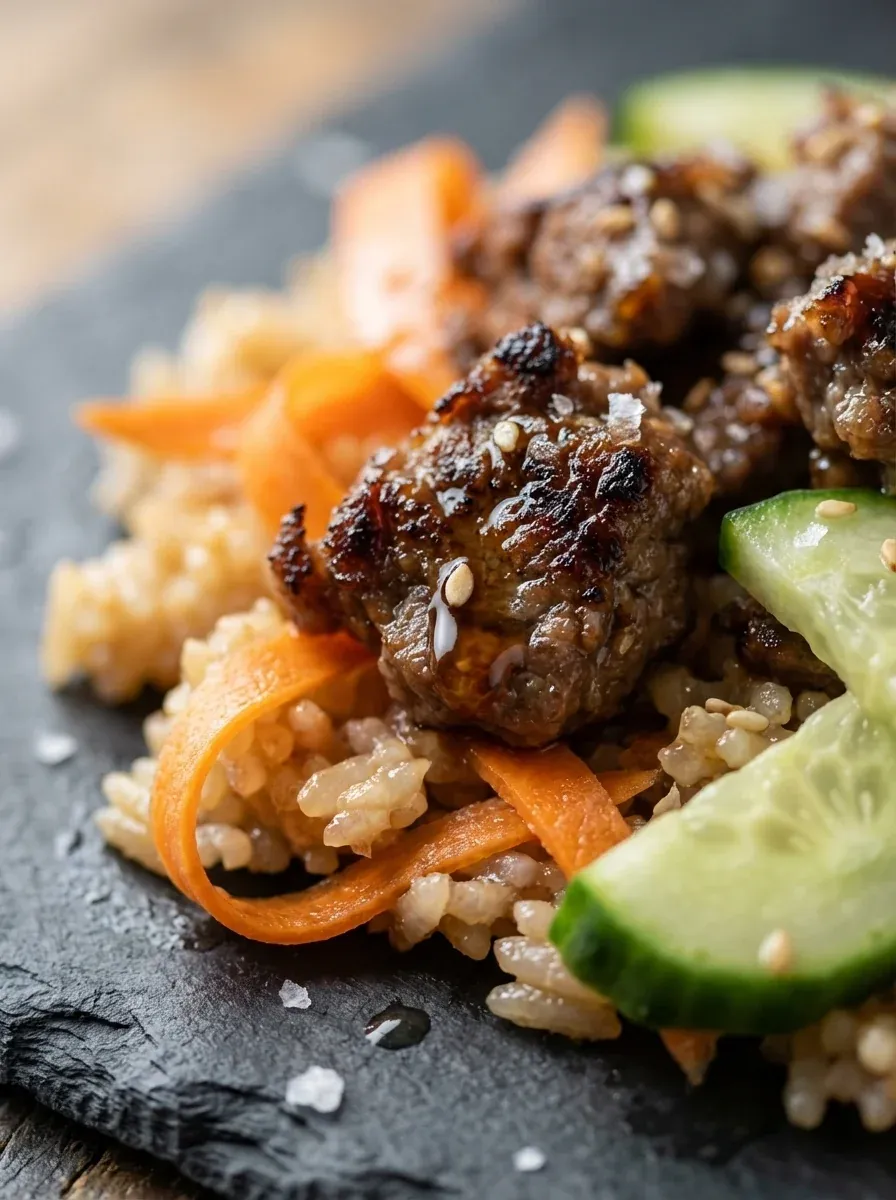
You’ll notice the caramelized beef first, followed by the bright crunch of carrots and the aromatic kiss of sesame.
You Must Know
- Use hot oil for a proper sear
- Don’t over‑mix the sauce
- Serve immediately for best texture
I’ve found that a quick stir‑fry keeps everything lively. If you wait too long, the rice can absorb too much sauce and become soggy, which defeats the purpose. So, plate it promptly and enjoy the contrast of warm beef and cool, crisp veggies. It’s a simple pleasure that feels thoughtful.
The story behind it
Korean ground beef bowls trace their roots to humble street stalls where quick, hearty meals fed bustling crowds. The dish blends Korean staples—gochujang, sesame oil, and fragrant aromatics—into a bowl that can be assembled in under thirty minutes. It reflects a culture that values balance, speed, and bold flavor without fuss. Over time the bowl has traveled worldwide, becoming a favorite for anyone seeking comfort in a single dish.
Why You'll Love It
- Ready in under 30 minutes, perfect for busy nights
- Bold Korean flavors without any hard-to-find ingredients
- Soft rice and crisp veggies create a satisfying contrast
- Easy to customize with whatever vegetables you have on hand
Tips for success
- Don't overcrowd the pan, cook the beef in batches for a better sear.
- Let the sauce reduce a little; it concentrates flavor.
- Taste as you go, adjust seasoning for balance.
Professional secrets
- Room temperature ground beef sears evenly.
- High heat creates a caramelized crust that deepens flavor.
- Deglaze with a splash of broth to capture all the browned bits.
Common mistakes to avoid
- Overcrowding the pan, which steams rather than sears the beef.
- Adding vegetables too early, causing them to lose crunch.
- Letting the sauce boil too vigorously, making it bitter.
Substitutions
- Ground beef:* Ground turkey or lean lamb. Adjust cooking time slightly for turkey; keep it juicy.
- Soy sauce:* Coconut aminos. Milder sweetness; you may reduce the brown sugar.
Variations
- Spicy Version:* Add extra gochujang and a pinch of red pepper flakes for a bolder kick.
- Mediterranean Style:* Swap gochujang for feta cheese, olives, and sun‑dried tomatoes for a different twist.
Storage
Store the beef and sauce in an airtight container in the refrigerator for up to 3 days; reheat gently.
Make ahead
You can mix the sauce and store it in the fridge for up to 2 days; simply brown the beef when ready and combine.
Leftovers
Reheat gently in a skillet with a splash of broth, adding fresh veggies if desired.
Serving ideas
- Serve over a bed of steamed short‑grain rice.
- Add a side of kimchi for extra tang.
- Garnish with a few toasted sesame seeds and sliced green onion.
Allergy information
Contains soy and sesame.
Korean Ground Beef Bowl
Savory Korean beef bowl with sweet‑savory sauce, crisp veggies, and fluffy rice—quick, comforting, and endlessly satisfying.
- Prep time
- 15 min
- Cook time
- 20 min
- Total time
- 35 min
- Difficulty
- Easy
- Cuisine
- Korean
- Course
- Main Course
Ingredients
Main Ingredients
For the Sauce
Instructions
- 1
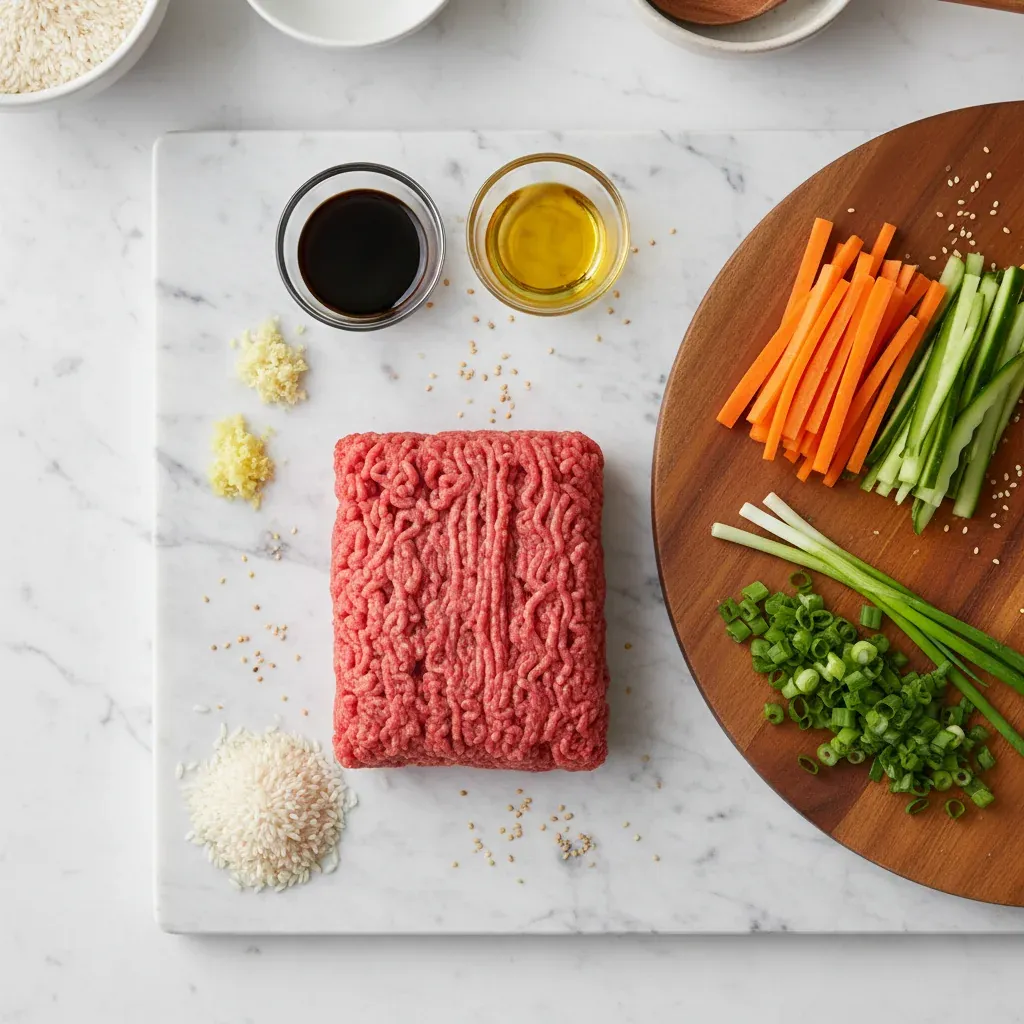
Heat a large skillet over medium‑high heat, add a drizzle of oil, then crumble the ground beef; let it brown without stirring for a minute, then break it up and cook until caramelized.
- 2
Stir in the garlic and ginger, letting them perfume the meat for about 30 seconds.
- 3
Mix soy sauce, brown sugar, gochujang, sesame oil, and rice vinegar in a bowl; pour the mixture over the beef, simmer for 3‑4 minutes until the sauce thickens.
- 4
Add carrots and peas, tossing gently; cook just until the veggies are bright and still crisp, about 2 minutes.
- 5
Serve the beef over warm rice, garnish with sliced green onions and an extra drizzle of sesame oil if desired.
Nutrition per serving
- 420 kcal
- Calories
- 24 g
- Protein
- 38 g
- Carbs
- 18 g
- Fat
Tips & notes
- Taste the sauce before adding; adjust sweetness or heat to your liking. - If the sauce gets too thick, add a splash of broth or water. - For extra zing, finish with a sprinkle of toasted sesame seeds.
Frequently asked questions
Can I use turkey ground instead of beef?
Yes, turkey works well; just add a touch more oil to keep it moist.
What rice works best?
Short‑grain jasmine or Korean rice yields the stickier texture that holds the sauce.
How spicy is the dish?
Mild to medium; you can increase gochujang or add chili flakes for heat.
Can I freeze leftovers?
Freeze the beef and sauce separately; reheat gently and add fresh veggies when serving.
Is this gluten‑free?
Use tamari or a gluten‑free soy sauce to keep it safe.
What can I substitute for brown sugar?
Honey or coconut sugar works, just adjust the amount to taste.
Tags:
Share:
Join our newsletter
New posts straight to your inbox. No spam, unsubscribe anytime.