English Muffins Made Simple
A step‑by‑step guide to soft, nooks‑filled English muffins that toast beautifully and invite generous butter spreads.
- Aria
- Breakfast & Brunch
- March 31, 2026
- 3 min read
- Updated October 5, 2026
- Total time
- 35 min
- Servings
- 8 Servings
- Difficulty:
- Easy
Table of contents
Honestly, there’s something magical about a muffin that rises just enough to cradle a bit of butter. This recipe keeps things easy, so you can enjoy that comforting aroma without fuss. For a quick start, see our breakfast ideas and feel the sunrise in your own skillet.
The essence of the dish
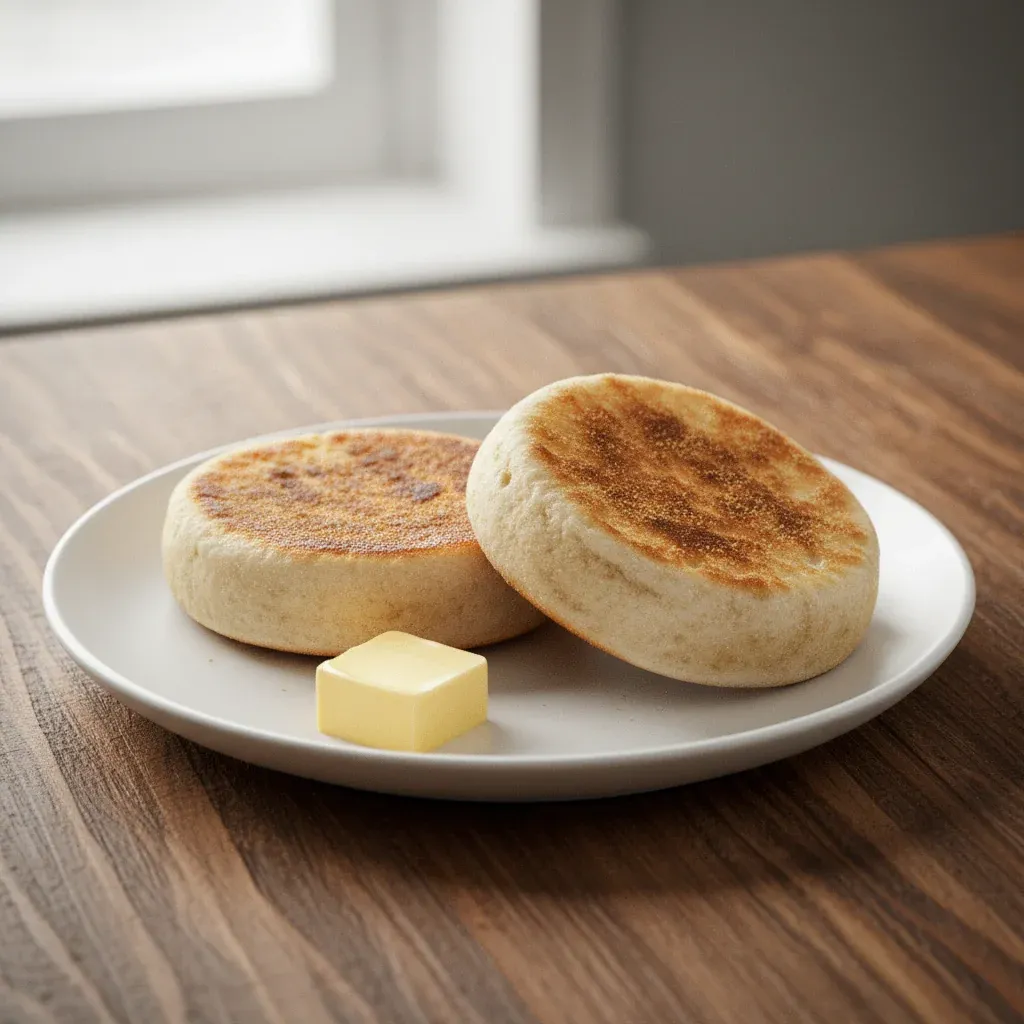
A tender crumb cradles a lightly crisp exterior, and each bite releases a comforting buttery scent that whispers of home.
A fun fact or historical angle
The original "toaster crumpet" was baked on a griddle, not in an oven—our modern version preserves that heritage while adding a golden finish.
Flavor or sensory focus
The subtle sweetness from a pinch of sugar paired with the richness of butter creates a balanced flavor that sings especially when toasted.
You Must Know
- Handle the dough gently to keep the airy texture
- Don’t over‑bake; a golden hue is the sweet spot
- Split with a fork for those perfect nooks
Ugh, I’ve seen muffins get overly crisp if left too long. That’s why timing matters. Also, the simple act of using a fork to split them—not a knife—preserves the steam inside, giving you those beautiful pockets. This little habit can change the whole experience, especially when you’re pairing them with jam or a drizzle of honey.
The story behind it
English muffins trace their roots back to the early 19th‑century United Kingdom, where they were once called "toaster crumpets." They were a staple of tea‑time tables, prized for their tender crumb and signature nooks that capture jam or honey. Over time the humble loaf crossed the Atlantic, becoming a beloved breakfast companion in America. Their enduring appeal lies in the simple chemistry of yeast, steam, and a quick bake, turning modest ingredients into a comforting ritual.
Why You'll Love It
- Effortlessly soft interior with crisp edges
- Ready in under an hour, perfect for weekend mornings
- Uses pantry staples you probably already have
- Creates those signature nooks for spreads
Tips for success
- Don’t over‑mix; a few lumps are okay before kneading
- Proof the yeast in warm milk, not hot, to avoid killing it
- Steam the oven briefly for a softer crust
Professional secrets
- Room temperature dough bakes more evenly
- Steam in the first minutes creates a tender crumb
- Cornmeal dusting adds a subtle crunch and prevents sticking
Common mistakes to avoid
- Using water that’s too hot, which kills the yeast
- Over‑kneading, leading to a tough crumb
- Baking too long, resulting in a dry exterior
Substitutions
- All‑purpose flour:* Whole‑wheat flour. Use half whole‑wheat for added nutrition; may need a bit more liquid
- Milk:* Almond milk. Provides a dairy‑free option; keep the milk warm for yeast activation
Variations
- Spicy Version:* Add ½ tsp crushed red pepper flakes to the dough for a subtle heat.
- Mediterranean Style:* Incorporate chopped olives and feta into the dough for a savory twist.
Storage
Store in a sealed container at room temperature for up to three days; freeze for up to one month.
Make ahead
You can mix the dough and let it rise, then shape and freeze the unbaked muffins. Bake from frozen, adding a few extra minutes.
Leftovers
Reheat gently in a skillet over low heat with a splash of water to revive the nooks.
Serving ideas
- Split and toast, then spread butter and honey
- Layer with a slice of cheese and a poached egg for a hearty brunch
- Serve alongside smoked salmon and cream cheese for an elegant touch
- Garnish the top with a dusting of powdered sugar for a sweet treat
Allergy information
Contains wheat, dairy, and may contain traces of nuts from shared equipment.
English Muffins Made Simple
A step‑by‑step guide to soft, nooks‑filled English muffins that toast beautifully and invite generous butter spreads.
- Prep time
- 15 min
- Cook time
- 20 min
- Total time
- 35 min
- Difficulty
- Easy
- Cuisine
- British
- Course
- Breakfast
Ingredients
Main Ingredients
Optional Add‑Ins
Instructions
- 1
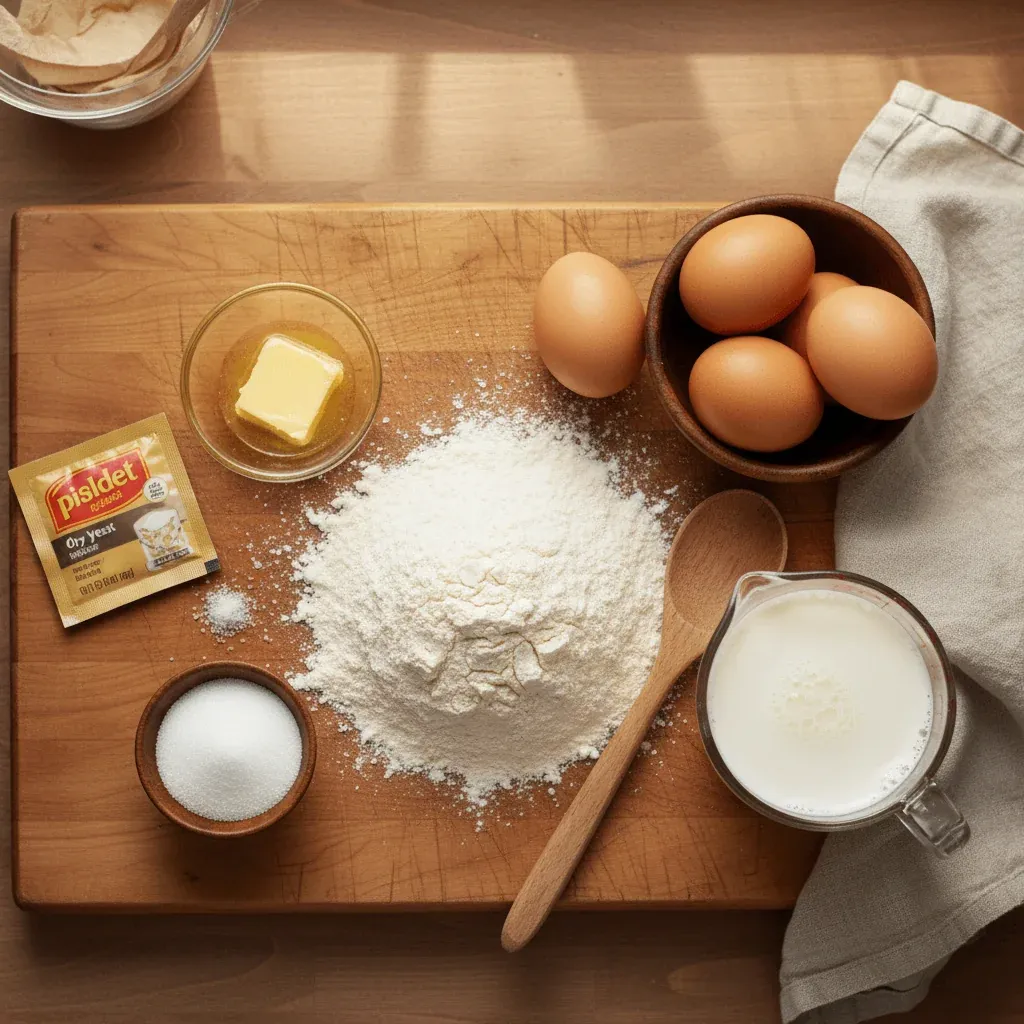
In a small bowl, combine warm milk, sugar, and yeast; stir lightly and let sit 5‑7 minutes until foamy.
- 2
In a large mixing bowl, whisk flour and salt; make a well, pour in the yeast mixture and melted butter, then stir until a shaggy dough forms.
- 3
Knead on a lightly floured surface for about 5 minutes until smooth; cover and let rise in a warm spot until doubled, about 45 minutes.
- 4
Punch down the dough, divide into 8 equal pieces, shape into rounds, and dust each side with cornmeal. Place on a parchment‑lined sheet, cover, and let rise another 15 minutes.
- 5
Preheat the oven to 375°F (190°C). Bake muffins for 12‑15 minutes until golden brown. Cool on a wire rack before splitting with a fork.
Nutrition per serving
- 210 kcal
- Calories
- 6 g
- Protein
- 35 g
- Carbs
- 5 g
- Fat
Tips & notes
- If the dough feels too sticky, add a tablespoon of flour at a time. - For extra flavor, brush tops with melted butter right after baking. - Use a fork to split the muffins; it preserves the interior steam for perfect nooks.
Frequently asked questions
Can I use whole‑wheat flour?
Yes, substitute half the all‑purpose flour with whole‑wheat for a nuttier flavor; you may need a touch more liquid.
How long do the muffins keep?
Store in an airtight container at room temperature for up to three days; freeze for longer storage.
Do I need a pizza stone?
A regular baking sheet works fine, but a pre‑heated pizza stone can give a slightly crisper bottom.
Can I add raisins or dried fruit?
Sure, fold them into the dough after the first rise; they add a sweet surprise.
What if I don’t have cornmeal?
Use fine semolina or a light dusting of flour; the texture will be a bit softer.
Is there a gluten‑free version?
Swap the all‑purpose flour for a 1‑to‑1 gluten‑free blend and add a teaspoon of xanthan gum for elasticity.
Tags:
Share:
Join our newsletter
New posts straight to your inbox. No spam, unsubscribe anytime.