Chewy Chocolate Cookie
Soft, buttery, and chocolate‑laden cookies that stay chewy for hours.
- Total time
- 27 min
- Servings
- 24 Servings
- Difficulty:
- Easy
Table of contents
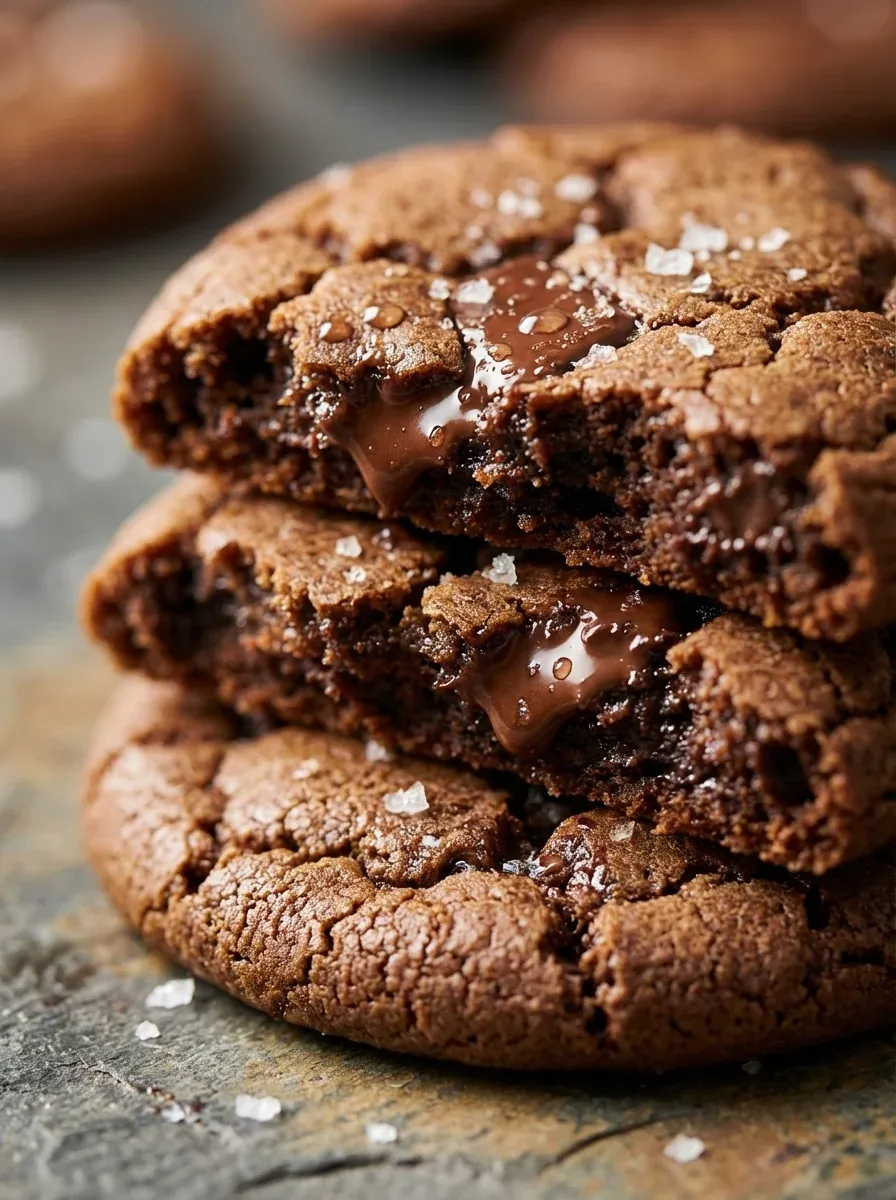
Honestly, there’s something magical about the way a warm chocolate cookie cracks open, releasing that sweet aroma. I remember the first time I baked these, the kitchen smelled like a cozy hug, and the cookies held that perfect chewiness that made me pause and smile. So, if you’re looking for a simple, buttery cookie that stays soft, you’re in the right place.
The essence of the dish
A perfect balance of sweet butter, moist brown sugar, and generous chocolate chips creates a cookie that stays soft for days.
A fun fact or historical angle
The chewy texture emerged when bakers started using more brown sugar in the 1930s, which retains moisture better than white sugar.
Flavor or sensory focus
You’ll first notice the buttery aroma, followed by a burst of rich chocolate as you bite into the tender crumb.
You Must Know
- Do not over‑mix the dough.
- Chill before baking.
- Store in a sealed container.
These points keep the cookie from becoming cakey or dry. I remember once I rushed the mixing and ended up with a cookie that crumbled too easily—oops! Taking the time to follow these steps ensures each bite is soft, chewy, and just a little bit sticky.
The story behind it
Chewy chocolate cookies trace their roots back to the early twentieth‑century American home kitchens, where bakers sought a softer alternative to the crisp cookies of the era. By adjusting sugar ratios and adding a touch of butter, the texture became tender and pliable, creating a treat that children and adults alike adored. This timeless classic continues to comfort us with its simple, satisfying chew.
Why You'll Love It
- Soft, buttery crumb that stays chewy
- Quick and easy, ready in under an hour
- Rich chocolate flavor without being overwhelming
- Perfect for snack time or sharing with loved ones
Tips for success
- Do not over‑mix the dry ingredients; it can make cookies tough.
- Chill the dough for at least 30 minutes for even spreading.
- Use room‑temperature butter for a smooth creaming process.
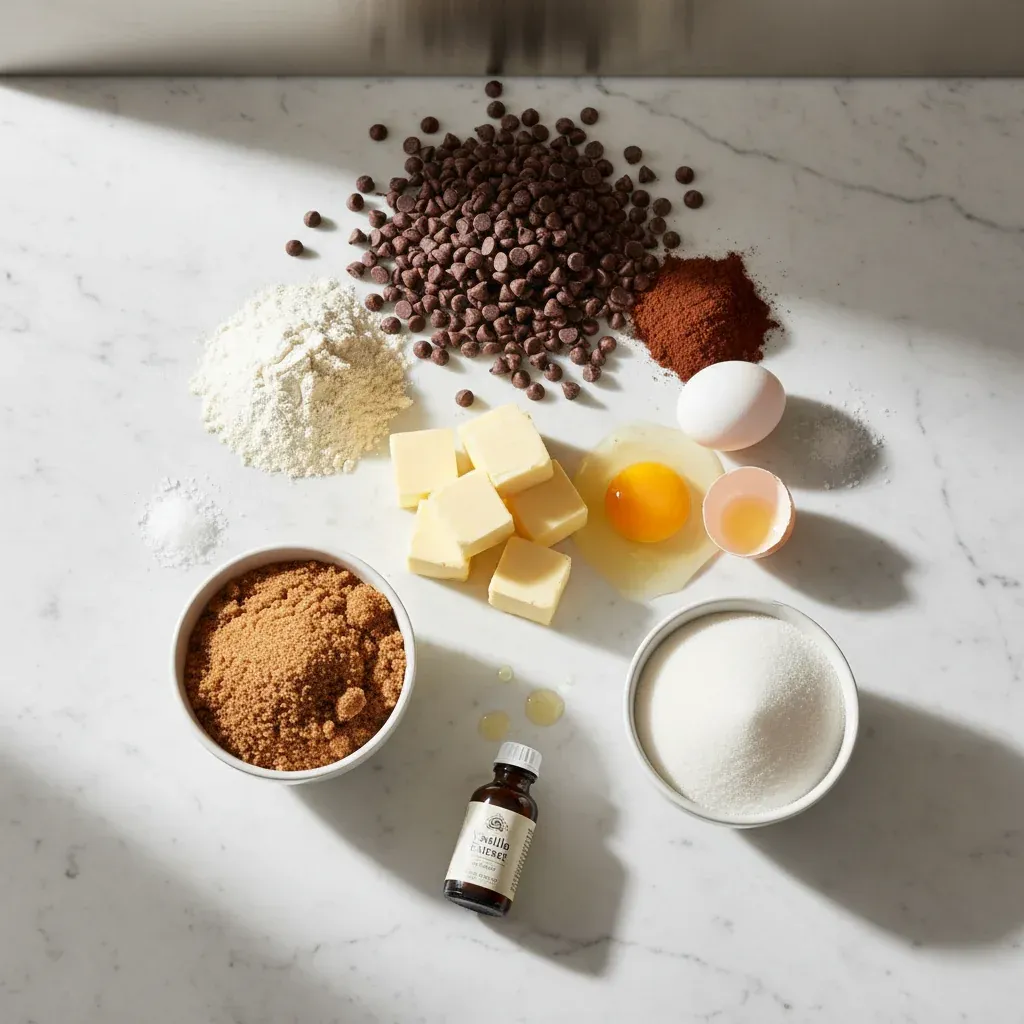
Professional secrets
- Room temperature butter mixes evenly, creating a uniform crumb.
- Baking soda reacts with brown sugar for a tender, chewy texture.
- Leaving a pinch of sea salt on top before baking intensifies chocolate flavor.
Common mistakes to avoid
- Over‑mixing the dough leads to tough cookies.
- Using melted butter can cause spreading.
- Baking too long makes them crispy instead of chewy.
Substitutions
- Butter:* Margarine or coconut oil. May alter flavor slightly; coconut oil adds a hint of tropical aroma.
- Chocolate chips:* Chopped dark chocolate or white chocolate chunks. Different chocolates change the sweetness and intensity.
Variations
- Spicy Version:* Add 1/2 tsp cinnamon and a pinch of cayenne for a warm kick.
- Nutty Delight:* Fold in 1 cup chopped toasted walnuts or pecans.
Storage
Store cookies in an airtight container at room temperature for up to 5 days.
Make ahead
You can chill the dough balls for up to 24 hours; just cover and keep refrigerated.
Leftovers
Reheat gently in a microwave for 10 seconds to restore softness, or enjoy at room temperature.
Serving ideas
- Serve warm on a plate with a glass of milk.
- Pair with fresh berries for a bright contrast.
- Offer as part of a dessert platter alongside mini cupcakes.
Allergy information
Contains wheat, dairy, and eggs.
Chewy Chocolate Cookie
Soft, buttery, and chocolate‑laden cookies that stay chewy for hours.
- Prep time
- 15 min
- Cook time
- 12 min
- Total time
- 27 min
- Difficulty
- Easy
- Cuisine
- American
- Course
- Dessert
Ingredients
Cookie Dough
Instructions
- 1
Preheat the oven to 350°F (175°C). Line a baking sheet with parchment paper.
- 2
In a bowl, whisk together flour, baking soda, and salt; set aside.
- 3
Cream butter, brown sugar, and white sugar together until light and fluffy, about 2‑3 minutes.
- 4
Add egg and vanilla, mixing until just combined.
- 5
Gradually stir in the flour mixture, being careful not to over‑mix.
- 6
Fold in chocolate chips gently; the dough will be slightly sticky.
- 7
Scoop rounded tablespoons of dough onto the prepared sheet, spacing 2 inches apart.
- 8
Bake 10‑12 minutes, until edges are just set and centers look soft.
- 9
Cool on the sheet for 5 minutes, then transfer to a wire rack to cool completely.
Nutrition per serving
- 180 kcal
- Calories
- 2 g
- Protein
- 24 g
- Carbs
- 9 g
- Fat
Tips & notes
- For extra chew, bake just until the edges are lightly golden; the centers should remain soft. - If you prefer a crispier edge, add an extra minute to the bake time. - You can freeze dough balls for up to 3 months; bake straight from freezer, adding 2 minutes.
Frequently asked questions
Can I use honey instead of sugar?
Honey adds moisture but changes the texture; you may need less butter to keep the cookie from spreading too much.
How do I keep cookies chewy for a week?
Store them in an airtight tin with a slice of bread; the bread releases humidity that preserves chewiness.
What if I want a gluten‑free version?
Swap all‑purpose flour for a 1‑to‑1 gluten‑free blend; the texture remains similar.
Can I add nuts?
Absolutely—walnuts or pecans add a pleasant crunch that contrasts the soft cookie.
Do I need to line the baking sheet?
Using parchment paper prevents sticking and makes cleanup easier.
Why is my cookie spreading too much?
The butter might be too warm, or the dough needs chilling before baking.
Tags:
Share:
Join our newsletter
New posts straight to your inbox. No spam, unsubscribe anytime.